


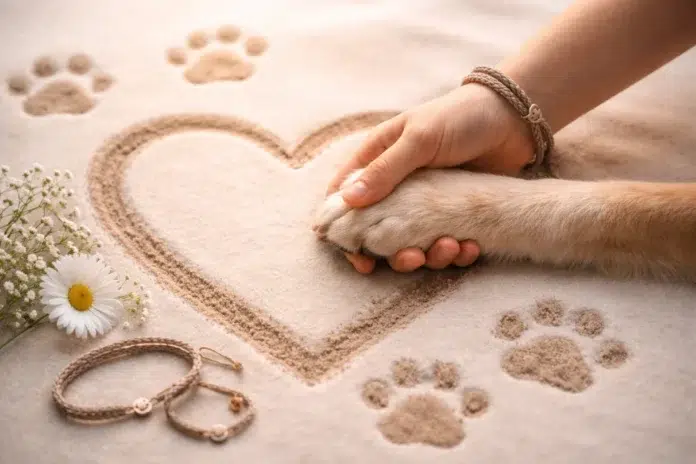
There is something deeply personal about life with a pet. It shows up in the way a dog waits by the door before you get home, the way a cat chooses your lap over every other seat in the room, or the way a nervous rescue animal slowly learns that your voice means safety. That bond does not need a special occasion to matter, but it does deserve to be noticed and celebrated.
The phrase Paw Print fits that feeling beautifully because it suggests more than tiny marks on a floor or a trail in the garden. It speaks to the lasting impression pets leave on daily life, family routines, emotional wellbeing, and even identity. For many owners, animals are not simply companions. They become part of the rhythm of home, part of memory, and part of what comfort looks like.
That emotional connection is not just sentimental. Public health and research sources note that living with pets can support exercise, reduce loneliness, lower stress, and strengthen social connection, although the experience varies by household and animal type. The broader human animal bond is also recognized as a meaningful relationship that benefits both people and animals when care, trust, and wellbeing are mutual.
Celebrating that relationship does not have to mean buying expensive gifts or planning elaborate events. In fact, the most meaningful moments are often simple, repeatable, and rooted in real attention. A walk taken without rushing. A photo captured at the right moment. A quiet grooming session. A little ritual that says, in a language pets understand, you belong here.
Why the bond with pets feels so powerful
A strong relationship with a pet is built on repetition, safety, and emotional consistency. Animals learn from tone, routine, body language, and response patterns long before they understand any word you think you are teaching them. Over time, shared habits turn into trust, and trust turns into attachment.
That helps explain why ordinary moments can feel so important. Feeding time is not just feeding time. It is reliability. Play is not just exercise. It is communication. Resting side by side is not inactivity. It is a form of closeness that many people recognize immediately, even if they cannot fully describe it.
Research discussed by NIH and public health agencies has linked human animal interaction with lower stress markers, improved mood, more opportunities for physical activity, and reduced feelings of isolation. At the same time, the CDC reminds owners that healthy bonds also depend on practical care such as hygiene, regular veterinary visits, and choosing pets whose needs fit the household.
That is why celebrating pets works best when it is not performative. The goal is not to impress social media. The goal is to deepen the real connection already happening inside the home.
Paw Print moments that turn everyday care into celebration
The best way to celebrate a pet is to notice what brings them comfort, excitement, and calm. That is where the real meaning of Paw Print begins to show in everyday life. One dog may light up at a trail walk and a long game of fetch, while another may prefer a slower walk with time to sniff every corner. One cat may love a new climbing perch, while another wants ten quiet minutes with a brush and a sunny window. These small choices often create the most lasting Paw Print moments between pets and their owners.
Small rituals often matter more than grand gestures because animals respond to consistency. A Saturday morning walk can become something your dog anticipates all week. A nightly grooming session can turn into a calm reset for a cat that normally keeps its distance. A bird may start responding to a familiar greeting. Even a rabbit can become more confident through gentle, predictable interaction.
Celebration begins when owners stop asking, what should I do for my pet, and start asking, what makes my pet feel understood?
That shift changes everything. It makes the relationship less about treating the animal like a prop and more about respecting personality, history, and need.
Create meaningful traditions your pet actually enjoys
If you want to make the bond stronger, create traditions that match your pet’s temperament. Think in terms of comfort, enrichment, attention, and shared time.
Some owners create a monthly “adventure day” where they visit a new walking route, pet-friendly park, or quiet outdoor spot. Others keep things home-based and build traditions around enrichment toys, homemade treats approved by their veterinarian, or a family photo taken on the same day each month. The tradition itself matters less than the repeated positive experience.
Here are a few simple ideas that feel personal rather than forced:
- A morning cuddle ritual before the house gets busy
- A weekly long walk with no phone distractions
- A birthday or adoption day photo session
- A quiet grooming routine with praise and treats
- A puzzle toy evening for mental stimulation
- A scrapbook page or journal entry for milestones
- A pet-safe picnic in the backyard or balcony space
These rituals work because they reinforce attention and predictability. For pets, that often translates into security.
Make time feel special, not just scheduled
One of the easiest mistakes owners make is confusing presence with attention. You can spend hours in the same room as your pet while still being mentally elsewhere. Pets, especially dogs and highly social animals, often notice that difference.
A more meaningful celebration of the bond starts with focused time. That might mean ten minutes of real play without checking messages. It might mean sitting with your older pet in the afternoon when they want company more than stimulation. It might mean letting your dog sniff more during a walk instead of hurrying them through it.
This kind of quality time supports what many researchers and clinicians describe as the emotional side of human animal interaction. The relationship is not only about ownership. It is about mutual response. A pet that feels safe, seen, and understood usually shows it through calmer behavior, stronger trust, and more confident engagement.
Use memory making to honor the relationship
People often wait until a pet is aging or ill before they start documenting moments more intentionally. It is understandable, but it is also a missed opportunity. Memory making should begin while the daily joy is still ordinary enough to overlook.
Photos are the obvious choice, but they are not the only one. Some owners keep a short journal with funny habits, first milestones, favorite sleeping positions, or the small changes that reveal a pet’s personality over time. Others save collar tags, create framed paw impressions, or collect snapshots from routine walks and naps instead of only special outings.
A memory becomes more valuable when it captures truth rather than perfection. A muddy paw on the porch. A crooked ear during a nap. The way your cat claims the warm laundry. These details tell a real story.
For families with children, including them in memory making can be especially meaningful. It teaches them that love includes care, patience, and responsibility. It also helps children understand that pets are individuals with needs, moods, and boundaries.
Healthy celebration matters more than fancy celebration
The most loving thing you can do for a pet is not always the most exciting thing. Sometimes it is the most responsible one.
A pet wellness check, updated vaccines, parasite prevention, good grooming, and proper nutrition may not look celebratory in the usual sense, but they are foundational to a good life. The CDC specifically emphasizes routine veterinary care, hand hygiene, and healthy pet practices as part of keeping both animals and people well.
That matters because the strongest relationships are sustainable ones. Celebration should never come at the cost of stress, unsafe foods, overcrowded events, overhandling, or pushing a shy animal into situations they clearly dislike. Not every dog enjoys a dog café. Not every cat wants guests around. Not every pet-friendly event is actually pet-friendly for your specific animal.
A better question is this: does this activity add comfort and joy, or does it only look cute from the outside?
Owners who understand that difference usually build deeper trust over time.
Paw Print ideas for dogs, cats, and other companion animals
Different species celebrate differently. A good bond respects that.
Paw Print activities for dogs
Dogs often enjoy experiences built around movement, scent, and shared attention. A longer sniff walk, a new hiking route, gentle training games, or a backyard obstacle course can all feel rewarding. Some dogs also love social outings, but the key is knowing whether your dog finds public interaction exciting or overwhelming.
Senior dogs may prefer slower rituals. A soft blanket in the sun, a joint-friendly stroll, and extra affection may mean more than any special purchase.
Paw Print ideas for cats
Cats usually value control, comfort, and curiosity. They may enjoy a new perch near a window, a cardboard enrichment setup, a scheduled interactive play session, or a calm grooming ritual. Cats often show affection subtly, so celebration should fit their pace.
For indoor cats, changing the environment can be a gift in itself. Rotating toys, hiding treats for scent-based discovery, or adding vertical space can make home life more stimulating without stress.
Small pets, birds, and other companions
Rabbits, guinea pigs, birds, and other small animals also form strong bonds, though their ways of showing connection may be quieter. Celebration may involve safe free-roam time, habitat enrichment, gentle handling if they enjoy it, or consistent voice interaction.
The principle stays the same across species. The best celebration is the one that respects behavior, biology, and boundaries.
How to celebrate adoption anniversaries in a meaningful way
Adoption anniversaries often carry more emotional weight than birthdays because they mark the beginning of trust. For rescue animals especially, that date can symbolize a complete change in life.
You can honor the day without turning it into a spectacle. Cook or buy pet-safe treats approved for your animal. Revisit the first park, room, or routine that became part of your life together. Take one honest photo that reflects who your pet is now. Write a short letter to your pet, even if nobody else ever reads it.
Some owners also choose to donate supplies to a shelter on that day. That can be a meaningful way to celebrate one bond while remembering the larger world of animal care and rescue.
This kind of tradition works because it connects gratitude with action. It keeps the relationship grounded in care rather than performance.
The emotional side owners often overlook
When people talk about pets, they often focus on loyalty, comfort, and happiness. Those are real parts of the story, but they are not the whole story. The bond can also include grief, responsibility, financial planning, stress during illness, and the challenge of adjusting life around another living being.
That does not weaken the relationship. In many cases, it deepens it.
The review literature on human animal interaction points out that pets can be important sources of support and may be associated with lower depression, reduced loneliness, and better emotional resilience in some contexts, while also acknowledging that pet care can become a burden when owners face costs, health issues, or access barriers.
That honesty matters. Real celebration does not pretend care is effortless. It recognizes that love often shows up in commitment, patience, and showing up on ordinary days.
A simple table for choosing the right kind of celebration
| Pet type | Best celebration style | What to avoid |
|---|---|---|
| Dogs | Walks, scent games, gentle adventures, training play | Overcrowded outings if your dog is anxious |
| Cats | Quiet enrichment, window perches, brushing, interactive toys | Loud gatherings, forced handling |
| Senior pets | Comfort rituals, short outdoor time, soft bedding, calm company | Long tiring events or overstimulation |
| Small animals | Habitat upgrades, safe exploration, routine interaction | Sudden changes or excessive handling |
| Birds | Mental stimulation, foraging play, voice interaction, perch variety | Chaotic environments and stress triggers |
Frequently asked questions about celebrating the pet owner bond
What is the best way to celebrate the connection with a pet?
The best way is to choose an activity your pet genuinely enjoys and repeat it with consistency. A calm, positive ritual usually means more than an expensive item.
Do pets really benefit from bonding activities?
Yes, many pets benefit from routines that combine safety, enrichment, movement, and attention. Research and public health guidance connect positive human animal interaction with reduced stress, social support, and better wellbeing in many cases.
Can simple routines be more meaningful than big celebrations?
Absolutely. Pets tend to value predictability and emotional safety. A weekly walk, daily play session, or regular grooming ritual can become one of the strongest anchors in their routine.
How can families include children in these celebrations?
Children can help with brushing, supervised play, treat preparation, memory books, and photo traditions. That works best when adults teach gentle handling and respect for the pet’s boundaries.
What if my pet is shy, older, or easily stressed?
Then the celebration should be quieter. Choose comfort over novelty. Sit together, offer favorite foods that are safe for them, keep routines gentle, and avoid busy environments.
The deeper meaning behind a Paw Print life
A pet changes the emotional atmosphere of a home in ways that are difficult to measure but easy to feel. They create rituals out of ordinary hours. They pull people into the present. They make routines softer, mornings warmer, and difficult days more bearable.
That may be why the human relationship with companion animals continues to matter so much. It is not just about ownership. It is about shared life. Public health and veterinary sources describe this as a dynamic and mutually beneficial relationship shaped by physical, emotional, and behavioral connection.
So when people look for ways to celebrate their pets, the best answer is rarely complicated. Protect their health. Learn their preferences. Give them your attention. Build traditions they can trust. Save the small memories. Respect their comfort. Be consistent.
In the end, the most beautiful Paw Print is not the one pressed into clay or stamped on paper. It is the one left quietly on the shape of everyday life. And like the wider story of human bonding, it reminds us that closeness is built in small moments, repeated with care.
Conclusion
Celebrating the bond between pets and owners does not require perfection, money, or elaborate planning. It requires attention, empathy, and a willingness to honor your pet as a real companion with individual needs. When daily care becomes more intentional, the relationship grows stronger, calmer, and more rewarding for both sides. That is what makes Paw Print more than a phrase. It becomes a living reminder of love, trust, and the quiet joy pets bring into a home.

