

Key Takeaways
- Regular inspections help identify minor issues before they escalate into major problems.
- Proactive maintenance can extend the lifespan of your commercial roof.
- Timely repairs prevent operational disruptions and protect your investment.
Maintaining a commercial property requires vigilance in many areas, but the roof should always be considered one of your highest priorities. Regular inspections keep you proactive, allowing facility managers and business owners to spot signs of wear or damage before they evolve into major issues.
When problems are identified early, the risk of widespread water damage, business downtime, and unexpected expenses is substantially reduced. See details about how professional inspections can safeguard your property’s value and operations.
Overlooking roof maintenance may seem cost-effective in the short term, but inspection neglect is a leading cause of major repair bills in commercial settings. Committing to scheduled evaluations, especially for older roofs or those in harsh climates, minimizes the chance of emergency closures or insurance claims. Roof health directly relates to your building’s safety, resale value, and operational reliability.
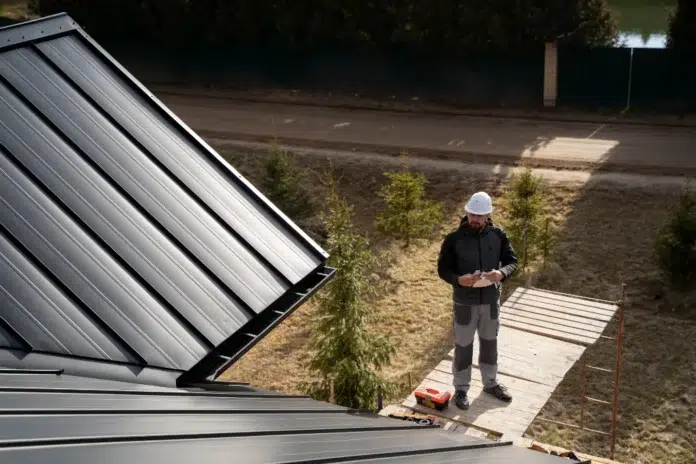
Experienced inspectors are trained to uncover small leaks, drainage issues, or weakened areas that non-specialists often miss. Each inspection provides an opportunity to resolve issues before they escalate, which can be vital during rainy seasons or after storms.
With proactive strategies and careful attention, commercial property owners can manage risk and build peace of mind surrounding one of their property’s most vital assets.
When you consider the range of problems that unchecked roof damage can cause, investing in preventive maintenance is one of the most cost-effective decisions a building manager can make.
Recent industry reports emphasize that businesses with regular inspection programs save an average of 25 percent in long-term roof expenses compared to those relying on a reactive approach.
Importance of Regular Inspections
Routine assessments are essential for prolonging roof life and controlling maintenance costs for commercial buildings. Early detection of weaknesses or water entry points helps building owners prevent the often hidden damage caused by undetected leaks, such as mold growth, electrical issues, and insulation failure.
The National Roofing Contractors Association highlights that routine inspections are among the top recommendations for extending the lifespan of commercial roofing systems.
Focusing on preventive care reduces the likelihood of emergency repairs and helps you plan for repairs within your operating budget. For more information on commercial roof maintenance trends and best practices, refer to this comprehensive guide from Buildings.com.
Common Roofing Issues
Commercial roofs face a range of stressors, including, but not limited to, weather changes, environmental pollutants, and mechanical wear from installed equipment. The most frequently encountered issues include:
- Leaks and Moisture Buildup: Tiny punctures or seam gaps may lead to severe water intrusion. Moisture trapped between roofing layers often results in rot or rust, ultimately weakening the structure.
- Ponding Water: Poor drainage can cause water to collect in depressions. Persistent ponding accelerates membrane degradation and can add excessive weight, straining the roof deck.
- Membrane and Seam Failures: Fluctuating temperatures and long-term UV exposure cause materials to contract, expand, and occasionally separate. Poor installation exacerbates these issues.
- Blocked Gutters and Drains: Leaves, branches, and rooftop debris often clog drains, making overflow and related damage more likely during heavy rainfall.
Addressing these routinely overlooked issues during inspections helps property owners avoid widespread repairs and maintain healthy building performance.
Benefits of Proactive Maintenance
Maintaining a well-documented inspection and maintenance strategy brings a range of operational and financial benefits, including:
- Cost Savings: Proactive identification and repair of minor problems save money over time by reducing emergency repair and replacement costs.
- Extended Roof Lifespan: Professional cleaning, timely repairs, and appropriate upgrades may add several years to a roof’s useful life, preserving capital over the long run.
- Operational Continuity: Preventing large leaks or damage ensures that business activities are not halted by closure or extensive renovations.
- Energy Efficiency: Healthy roofing systems maintain insulation effectiveness, reducing heating and cooling demands for the entire building.
Aside from direct savings, a well-maintained roof also signals responsible facility management, which can be advantageous when attracting tenants or selling the property.
Recommended Inspection Frequency
Most industry standards recommend at least two professional inspections per year, typically scheduled in early spring and late fall. These timelines coincide with seasonal weather changes, during which temperature fluctuations or severe storms may have stressed the roofing system.
Roofs should also be inspected after significant events, such as hailstorms, heavy snowfall, or hurricanes, to detect damage promptly. Adhering to a regular schedule makes it easier to document roof conditions and spot gradual wear over time.
Choosing a Professional Inspector
Engaging an experienced, qualified roofing inspector is crucial for thorough, unbiased assessments. Select professionals who hold credentials from recognized industry organizations and maintain strong reputations in your local area. Effective inspections include:
- Evaluation of the entire surface, including membranes, seams, and flashing.
- Verification of drainage and gutter integrity, ensuring water is properly channeled away from the building.
- Inspection of sealants and adhesives at critical points of entry, like vents and access hatches.
- Documentation of findings and immediate recommendations with visual records.
Request references and review sample inspection reports before hiring. A quality inspection results in practical steps you can take for ongoing improvement and peace of mind.
Conclusion
Consistent commercial roof inspections are a smart investment for property managers and owners looking to minimize costs, reduce risk, and maintain business operations.
By prioritizing preventive care, you increase the likelihood of catching small issues before they require major repairs and extend the life of your roofing system. Proactive, professional maintenance is key to getting the most out of your property while ensuring safety and operational continuity year-round.

