


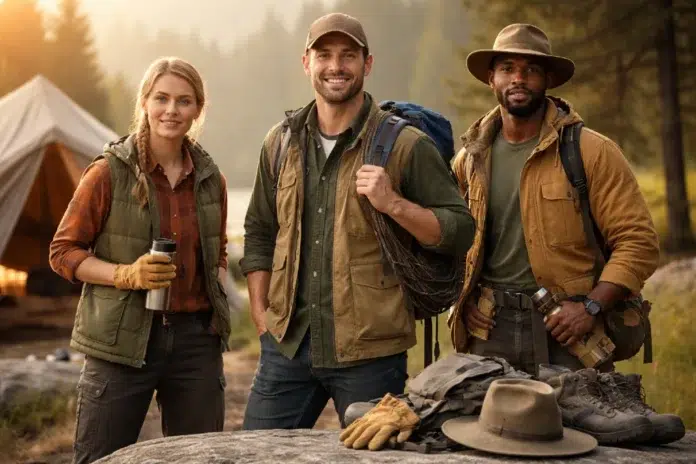
If your job keeps you at a campground, outdoor retreat, adventure base, glamping site, forest camp office, or any similar setting, what you wear matters more than most people realize. Camping Guide Workplace Styling is really about finding the sweet spot between comfort, safety, durability, and a put together professional look. You need clothing that can handle changing temperatures, uneven ground, long hours on your feet, and the daily reality of working outside, while still helping you look capable and approachable.
That balance is not just about style. It affects how well you move, how dry you stay, how warm you remain in the early morning, and how comfortable you feel by late afternoon. OSHA recommends loose fitting layered clothing in cold conditions, while NIOSH and OSHA both note that clothing and PPE can increase heat strain in warm conditions, which makes fabric choice and layering especially important for outdoor workers.
For camp based work, the best wardrobe is never built around trends alone. It is built around purpose. You want pieces that look clean and practical, dry quickly, resist wear, and still feel presentable when you are greeting guests, leading an activity, checking equipment, or handling admin tasks at an outdoor station. That is the real core of Camping Guide Workplace Styling.
What Camping Guide Workplace Styling really means
In simple terms, Camping Guide Workplace Styling means dressing for work in a camp or outdoor hospitality setting without looking sloppy, overly technical, or uncomfortable. It borrows the function of outdoor clothing and combines it with the polish of good workwear.
That usually means breathable shirts, durable pants, supportive footwear, useful outer layers, and accessories that serve a purpose. The goal is not to dress like you are going on a mountain expedition unless your role actually requires it. The goal is to look work ready, weather aware, and professional.
A lot of camp based roles sit in the middle ground between rugged outdoor labor and customer facing hospitality. You may need to set up gear in the morning, help visitors in the afternoon, and attend a staff briefing in the evening. One outfit has to do a lot. That is why smart styling matters.
Why clothing choice matters in camp based work
People often underestimate how demanding camp environments can be. Weather changes quickly. Temperatures swing between morning and afternoon. You may walk across gravel, grass, mud, wooden decks, and rocky trails in the same shift.
Good clothing helps you regulate temperature, move freely, and stay comfortable. It also supports safety. OSHA recommends at least three loose fitting layers for cold environments, including a moisture moving inner layer, an insulating middle layer, and an outer layer that protects against wind and rain. OSHA also notes that wet clothing increases heat loss in cold conditions.
In warm conditions, the opposite problem appears. OSHA says heat illness risk rises with heavy activity, hot conditions, lack of acclimatization, and clothing that traps body heat. OSHA also notes that many outdoor heat fatalities happen during the first few days on the job, before workers acclimatize. NIOSH recommends access to cool water, training, acclimatization, and attention to the added heat load caused by clothing and protective gear.
So yes, clothing affects appearance. But in camp based work, it also affects performance and well being, which is exactly why thoughtful outfit planning is such an important part of Camping Guide Workplace Styling.
The best fabrics for camp based workwear
Fabric is where smart clothing starts. If you pick the wrong material, even a nice looking outfit can fail within a few hours.
Moisture wicking synthetics
Synthetic performance fabrics are useful for base layers and active shirts because they move sweat away from the skin and dry quickly. That matters when your work involves walking, lifting, guiding, or standing in sun and humidity. OSHA recommends moisture moving inner layers in cold environments, and NIOSH highlights the effect clothing can have on heat stress in hot conditions.
Wool blends
Wool, especially merino blends, is one of the most practical materials for camp work. It helps regulate temperature, resists odor better than many fabrics, and still insulates when damp. OSHA specifically lists wool among the preferred materials for cold weather inner layers and insulating layers.
Durable canvas and ripstop fabrics
For pants, overshirts, and utility outerwear, tougher fabrics such as canvas, twill, or ripstop blends make sense. They hold up better against abrasion, gear contact, rough benches, and repeated outdoor use. They are especially useful if your role includes maintenance, loading supplies, setting up tents, or handling tools.
Stretch blends
A small amount of stretch can make a huge difference. In camp based work, you bend, squat, climb, and reach more than you would in a standard office job. A structured work pant with stretch is often more useful than stiff trousers that look sharp for one hour and uncomfortable for ten.
The core wardrobe for Camping Guide Workplace Styling
A strong camp work wardrobe does not need to be large. It just needs to be intentional.
1. Breathable base layer tops
Start with fitted but not tight tops that manage moisture well. In cooler weather, a long sleeve merino or synthetic base layer is ideal. In warm weather, a lightweight tee or performance polo does the job.
Stick to practical colors such as olive, charcoal, navy, brown, stone, or muted green. They hide dust better and suit outdoor environments.
2. Mid layers that add warmth without bulk
A fleece zip layer, knit quarter zip, or light insulated vest is useful when the temperature drops early in the day. OSHA recommends a middle insulating layer in cold conditions, and that advice translates well to camp based work because mornings and evenings can feel much colder than midday.
Mid layers should be easy to remove and tie around the waist or store in a bag if the day warms up.
3. Durable work pants
This is one of the most important choices. Good camp work pants should be flexible, durable, and comfortable enough for all day wear. Cargo pants can work well if they are streamlined rather than oversized. Chinos in technical fabric can also be excellent for more guest facing roles.
The best features to look for are:
- articulated knees or stretch panels
- reinforced seams
- quick drying fabric
- enough pockets for small essentials
- a straight or tapered fit that looks tidy
Avoid heavy fashion denim in wet or hot conditions. Once soaked, it stays uncomfortable for too long.
4. A weather ready outer layer
Your outer layer should protect against wind and light rain without feeling bulky. OSHA recommends an outer wind and rain protective layer that still allows ventilation in cold environments. That same logic works for transitional weather in camps, where you may need protection without overheating.
A lightweight shell jacket, waxed utility jacket, or weather resistant overshirt can work well depending on your role.
5. Supportive footwear
Bad shoes can ruin even the best outfit. Camp based workers often spend hours walking across irregular surfaces, so supportive footwear is essential.
For many roles, the best options are:
- waterproof hiking shoes
- lightweight work boots
- trail inspired shoes with strong grip
- insulated waterproof boots in cold or wet seasons
OSHA recommends insulated and waterproof boots in cold environments and notes the importance of gloves, hats, and dry clothing when temperatures drop.
6. Functional accessories
Accessories should earn their place. Useful options include a weather resistant cap, beanie, belt, wool socks, light gloves, and a compact crossbody or utility pouch if your role requires carrying radios, keys, or small tools.
A hat is not only a style detail. OSHA notes that head coverage helps reduce heat loss in cold weather.
How to dress by season
Seasonal styling is where many people get camp workwear wrong. They either wear too much and overheat, or dress too lightly and end up uncomfortable by mid shift.
Spring
Spring is all about flexible layers. Mornings may be cold, afternoons mild, and evenings damp.
A practical spring outfit might include a moisture wicking tee, overshirt, stretch work pants, and waterproof shoes. Add a light shell jacket for surprise showers.
Summer
In summer, breathability matters most. OSHA and NIOSH both warn that hot conditions, physical work, and clothing that traps heat can raise the risk of heat illness. NIOSH recommends water access, acclimatization, and training, while OSHA emphasizes that many serious heat outcomes happen early before the body adapts.
For summer, choose:
- lightweight breathable tops
- light colored clothing when appropriate
- quick drying pants or utility shorts only if your workplace allows them
- sun protective layers for extended outdoor exposure
- a cap or wide brim hat if suitable for the job
If your job requires PPE or thicker garments, comfort becomes even more important because NIOSH notes that protective clothing can add to heat burden.
Fall
Fall is ideal for layering. This is the season where Camping Guide Workplace Styling looks especially good because overshirts, fleeces, utility jackets, and sturdy boots all make sense.
Use a three part outfit formula: base layer, mid layer, outer layer. It is practical and looks naturally put together.
Winter
Winter camp work is not the time for thin fashion pieces. OSHA recommends three loose fitting layers, moisture moving inner fabrics, insulating middle layers, and protective outer shells. Wet clothing should be avoided because it increases heat loss.
A winter outfit may include thermal base layers, fleece or wool mid layers, insulated outerwear, waterproof boots, gloves, and a beanie or lined cap. You still want a clean silhouette, but warmth and safety come first.
Dressing for different camp based roles
Not every camp job looks the same, so styling should reflect the work.
| Role | Best clothing focus | Recommended look |
|---|---|---|
| Camp guide or activity leader | Mobility, quick drying layers, grip footwear | Performance shirt, stretch pants, light shell |
| Camp office or guest services | Presentable appearance, comfort, light layering | Polo or structured shirt, technical chinos, clean boots |
| Grounds or maintenance staff | Durability, weather protection, utility pockets | Heavy duty pants, overshirt, work boots, gloves |
| Outdoor educator | Layering, approachable style, all day comfort | Merino base, field shirt, utility trousers, trail shoes |
| Glamping or hospitality staff | Clean polished outdoor aesthetic | Neutral overshirt, fitted work pants, weather resistant sneakers or boots |
This is where styling becomes practical. You do not need one universal uniform. You need a role based wardrobe.
The style mistakes that make camp work harder
A lot of outdoor workers learn this through trial and error. The wrong outfit usually feels wrong long before lunch.
Here are the most common mistakes:
- wearing cotton heavy layers in cold wet conditions
- choosing tight clothing that limits movement
- relying on fashion boots without support
- dressing for the photo, not the weather
- ignoring the need for extra socks or a backup layer
- choosing dark heavy outerwear in intense heat when a lighter breathable option would be better
- carrying too much in pockets, which makes movement awkward
One of the smartest things you can do is build outfits around your actual shift. Think about terrain, forecast, task load, and how much guest interaction you will have.
A real world approach that actually works
Imagine someone working at a family campground. Their morning starts with setting up activity gear while the air is still cold. By late morning, they are checking in visitors at a reception point. In the afternoon, they walk the grounds and handle light maintenance.
The wrong outfit would be jeans, a thick cotton hoodie, and flat casual sneakers. It might look fine at first, but it traps moisture, limits comfort, and offers poor support.
The better outfit would be a moisture managing base layer, a light fleece, tapered stretch utility pants, and waterproof hiking shoes. Add a weather resistant overshirt or shell and the person is ready for changing conditions while still looking presentable in front of guests.
That is the whole idea behind Camping Guide Workplace Styling. It is not about dressing up the outdoors. It is about dressing intelligently for outdoor work.
How to make camp workwear look more polished
Function matters first, but polish still counts. Visitors notice when staff look neat, capable, and well prepared.
To make practical clothing look better:
- choose a consistent color palette
- keep fits clean rather than oversized
- avoid loud prints unless brand identity calls for them
- keep boots and outerwear clean
- replace worn out basics before they look tired
- roll sleeves neatly rather than haphazardly
- use layers that match in tone and texture
Neutral tones work especially well in camp environments because they look grounded and natural. Olive, sand, navy, charcoal, rust, and forest green are easy to combine and always feel appropriate.
Final thoughts
The best clothing choices for camp based work come down to one simple principle. Your wardrobe should support the work, the weather, and the way you want to present yourself. That is why Camping Guide Workplace Styling works best when it is practical first and stylish second.
When you build your wardrobe around breathable fabrics, smart layers, durable pants, supportive footwear, and weather aware outerwear, you make your job easier. You move better, feel better, and look more professional throughout the day. OSHA and NIOSH guidance on layering, heat stress, acclimatization, and protective clothing all point in the same direction: what outdoor workers wear has a direct effect on comfort and safety.
So if you are refining your camp work wardrobe, think less about trend chasing and more about performance, durability, and clean presentation. That is the real style advantage. In many outdoor workplaces, the best dressed person is simply the one dressed most intelligently. Near the end of the season, that practical mindset matters more than almost any short lived fashion idea, especially when paired with strong workwear design choices that are made to last.

