

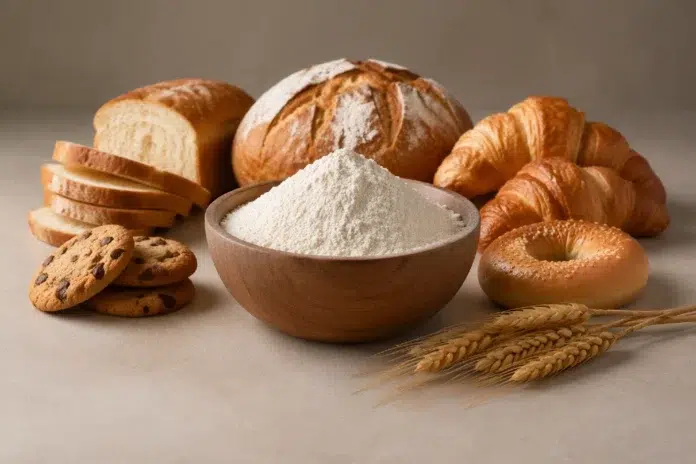
If you bake at home even once in a while, you have probably seen bread flour sitting next to all purpose flour and wondered whether it really matters. The short answer is yes. Bread flour can change the way dough feels in your hands, how high a loaf rises, and the texture you get once it comes out of the oven. Its higher protein content gives it more gluten-forming potential than all purpose flour, which is why bakers often reach for it when they want a chewy crumb, a stronger dough, and better structure in yeast breads.
That does not mean it is the right flour for everything. Bread flour shines in recipes that need strength and elasticity, but it can be too strong for delicate baked goods that are meant to stay soft, tender, or crumbly. Once you understand where it works best, it becomes much easier to decide when it deserves a place in your pantry and when another flour makes more sense.
For many home bakers, the real value of bread flour is consistency. It helps dough hold onto the gas produced by yeast, which supports better rise and a more satisfying chew. That is why it is so often used for sandwich bread, artisan loaves, pizza dough, bagels, rolls, and other recipes where structure matters just as much as flavor.
What bread flour actually is
Bread flour is a wheat flour made for recipes that need a stronger gluten network. Gluten is formed mainly from the wheat proteins gliadin and glutenin when flour is mixed with water. That elastic network traps gas during fermentation, helping dough expand and hold its shape as it bakes.
What makes bread flour stand out is protein level. King Arthur Baking notes that its bread flour sits at 12.7% protein, while its all purpose flour is 11.7%. That difference may seem small, but in baking, one percentage point can noticeably affect dough strength, stretch, and final texture.
In simple terms, bread flour is made for dough that needs backbone. It helps create the kind of loaf that slices neatly, springs well in the oven, and gives you that pleasant chew people often associate with bakery bread.
Common bread flour uses in everyday baking
The most common use for Bread Flour is, of course, yeast bread. But that category is much wider than many people realize. It is not just for rustic loaves or sourdough. It is useful across a long range of breads and doughs.
Sandwich bread and everyday loaves
This is one of the easiest places to use bread flour. If you want soft slices that still hold together for toast, sandwiches, or grilled cheese, bread flour gives the dough enough strength to rise well without collapsing. It often produces a loaf with a springy interior and a more uniform crumb.
That matters in real life. A sandwich loaf that tears apart too easily can be frustrating. Bread flour helps prevent that by supporting a more stable structure during kneading, proofing, and baking.
Artisan bread
If you enjoy crusty boules, batards, or rustic hearth loaves, bread flour is often the better choice. These loaves usually benefit from a strong gluten network because they depend on fermentation, shaping tension, and oven spring to develop character.
A dough made with bread flour tends to feel more elastic and more capable of trapping gas. That can lead to better volume and a more open crumb, especially when paired with good fermentation and proper shaping.
Pizza dough
Pizza dough is another classic match. Many home bakers switch to bread flour when they want crust with chew, structure, and crisp edges. It is especially helpful for hand stretched dough because the gluten strength supports stretching without tearing as easily.
If you like New York style pizza or any crust with a bit of bite, bread flour is often the flour that gets you closer to that texture at home.
Bagels, pretzels, and rolls
These are doughs that benefit from strength. Bagels in particular are known for their dense yet chewy texture, and bread flour helps achieve that. Pretzels and certain dinner rolls also improve when the dough has enough protein to support shaping and oven rise.
Focaccia and enriched doughs
Bread flour can also work well in focaccia, cinnamon rolls, brioche style doughs, and similar recipes, especially when you want a balance between softness and structure. In richer doughs that contain butter, milk, sugar, or eggs, a stronger flour can help offset the weight of those ingredients and keep the dough from feeling weak.
Benefits of using bread flour
The biggest reason bakers choose bread flour is performance. It can make dough easier to develop and improve the final result when the recipe calls for strength.
Better structure
This is the core benefit. Bread flour helps dough hold its shape. That is useful during proofing, when dough is expanding, and during baking, when trapped gas and heat create the final loaf volume.
A dough with good structure is easier to score, shape, and transfer. It usually feels more resilient and less fragile.
Improved rise
Higher protein means higher gluten-forming potential, and that can support better gas retention during fermentation. When yeast produces carbon dioxide, the dough needs a strong enough network to hold that gas. Bread flour is often better equipped for that job than lower protein flour.
Chewier texture
This is one of the most noticeable differences. Bread flour tends to produce a chewier crumb, which is exactly what many people want in pizza crust, bagels, artisan bread, and sturdy sandwich loaves. Bob’s Red Mill specifically notes that higher protein flour is well suited to airy, chewy bread that has time to rise.
More forgiving dough in yeast recipes
Many bakers find bread dough easier to work with when it has enough strength from the start. While technique still matters, bread flour can make kneading and shaping feel more predictable, especially for beginners who are still learning how properly developed dough should feel.
Useful liquid absorption
Higher protein flours often absorb more liquid. This can be helpful in bread baking because it supports hydration while still allowing the dough to build strength. King Arthur notes that higher protein flour has more gluten-forming potential, and that contributes to dough development.
Bread flour vs all purpose flour
This is the comparison most people care about, and it is a practical one. Both flours can make bread. The difference is not that one works and the other does not. The difference is how they behave and what kind of result you want.
Here is the simplest way to think about it:
- Bread flour is better when you want chew, structure, and a stronger dough.
- All purpose flour is better when you want flexibility and a softer, more tender result.
King Arthur’s published numbers put its bread flour at 12.7% protein and its all purpose flour at 11.7%. Bob’s Red Mill also explains that bread flour contains more protein and gluten potential than all purpose flour, which is why it performs well in yeast breads.
In a home kitchen, that means this:
- Use bread flour for loaf bread, pizza dough, bagels, pretzels, and chewy rolls.
- Use all purpose flour for cookies, muffins, pancakes, biscuits, and many quick breads.
- Either can work in some recipes, but the final texture may change.
If you swap bread flour into a cookie recipe, you may get a chewier cookie. If you swap all purpose flour into a bread recipe, the loaf may still work but could be slightly softer and less structured.
When bread flour is not the best choice
Bread flour is helpful, but it is not automatically the best flour in every situation. That is a mistake many beginners make. Stronger flour is not better across the board. It is only better when the recipe benefits from strength.
You may want to skip bread flour when making:
- Cakes
- Tender muffins
- Soft biscuits
- Pie crust
- Pancakes
- Delicate pastries
These baked goods usually benefit from less gluten development, not more. Too much strength can make them tough instead of tender. Bob’s Red Mill explains that all purpose flour is often better for products like cookies and cakes that do not need the same rise and structure as yeast bread.
There is also a dietary angle to remember. Because bread flour is a wheat flour that forms gluten, it is not suitable for people with celiac disease or those who need to avoid gluten for medical reasons.
Baking tips that make bread flour work better
Using bread flour does not automatically guarantee a perfect loaf. You still need the basics. The good news is that a few small adjustments can make a big difference.
Do not judge dough too quickly
Bread dough often looks rough at first. Give it time. Hydration and kneading matter. If the dough feels sticky early on, resist the urge to add too much extra flour right away. Let the flour absorb the water, then reassess after resting or mixing for a few more minutes.
Use the windowpane test when needed
A simple way to check gluten development is to stretch a small piece of dough gently. If it stretches thin without tearing immediately, the dough is developing well. This is especially useful in loaf bread and pizza dough.
Allow enough proofing time
Even strong flour cannot fix underproofed dough. If your loaf is dense, the issue may be fermentation rather than flour choice. Give yeast enough time to work, especially in a cool kitchen.
Weigh ingredients if possible
Measuring flour by volume is convenient, but weighing is more accurate. Small changes in flour amount can noticeably alter hydration, especially in bread dough.
Match the flour to the recipe style
Not every bread needs maximum chew. Some soft dinner rolls or milk breads can still benefit from a blend of flours, depending on the texture you want. Bread flour is a tool, not a rule.
Learn your brand
Protein levels vary by brand. One bread flour may be slightly stronger than another. Once you find one you like, baking becomes more predictable.
A practical example from the home kitchen
Imagine two people baking pizza on the same weekend. One uses all purpose flour and the other uses bread flour. Both doughs may look fine at first, but after kneading and fermentation, the bread flour dough often feels stretchier and more resilient. Once baked, it tends to have more chew and structure.
That does not mean the all purpose version fails. It simply creates a different style of crust. This is why experienced home bakers often keep both flours around. One gives versatility. The other gives targeted performance.
The same idea shows up in sandwich bread. A loaf made with bread flour often rises nicely, slices cleanly, and stands up well to fillings. That is useful whether you are making lunch for kids, meal prepping for the week, or just trying to produce a loaf that feels closer to something from a neighborhood bakery.
Common questions about bread flour
Can you use bread flour for cookies?
Yes, but expect a different result. Because it has more protein, it can create a chewier cookie. Some bakers like that, especially for chocolate chip cookies. Others prefer all purpose flour for a more tender texture.
Can you replace all purpose flour with bread flour?
Usually yes in many recipes, but the texture may become chewier or firmer. In bread recipes, that can be a plus. In cakes or biscuits, it may not be.
Is bread flour healthier than all purpose flour?
Not necessarily. It is designed for baking performance more than nutrition. USDA FoodData Central lists bread flour products as part of the standard flour database, but the real distinction most bakers care about is protein and how the dough behaves, not a dramatic health advantage.
Does bread flour make bread rise more?
It can support better rise because it forms a stronger gluten network that helps trap gas during fermentation, but rise still depends on yeast activity, hydration, kneading, proofing time, and baking conditions.
Final thoughts on choosing the right flour
Bread flour earns its place in the kitchen because it solves a very specific problem. It helps bakers create dough with more strength, more elasticity, and better structure. That matters in sandwich bread, pizza dough, artisan loaves, bagels, and many other yeast based recipes where texture and rise make all the difference.
At the same time, it is not a magic shortcut. Good bread still depends on handling, hydration, proofing, and patience. Once you understand what bread flour does well, you can use it more intentionally and get better, more reliable results without overthinking every recipe. If you enjoy baking from scratch, learning the role of flour is one of the most useful skills you can build, right alongside understanding wheat flour and fermentation.
In everyday baking, that is really the point. Bread flour is not about making things more complicated. It is about giving yourself the right ingredient for the kind of bread you actually want to make. When you use it where it belongs, the difference is often easy to taste, easy to see, and even easier to appreciate.