


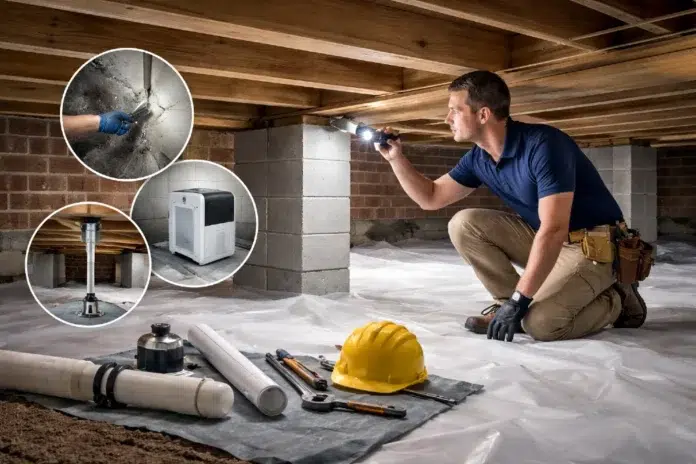
A crawl space foundation sits between a full basement and a slab-on-grade foundation. It lifts the house off the ground, creates a shallow accessible area beneath the floor, and gives plumbers, electricians, and HVAC technicians room to work without opening walls or breaking concrete. That practical access is a big reason many homeowners still prefer a Crawl Space Foundation, especially in regions where moisture, drainage, and uneven terrain matter. When it is built well and maintained consistently, it can support comfort, structural stability, and easier repairs over the life of the home.
The flip side is that crawl spaces can turn into problem zones when they are ignored. A damp or poorly managed crawl space can contribute to mold, wood deterioration, insulation damage, indoor air quality concerns, and expensive repair bills. Moisture control is the heart of good crawl space care, and both the EPA and the CDC stress that controlling moisture is the key step in preventing mold and related damage.
If you own a home with this type of foundation, or you are thinking about buying one, it helps to understand how it works, what goes wrong most often, and what routine maintenance actually makes a difference. This article walks through the essentials in plain language so you can protect your home before a small issue becomes a major project.
What a crawl space foundation actually is
A crawl space foundation is a raised foundation system that creates a narrow unfinished space between the soil and the first floor of the home. That space is usually formed by perimeter foundation walls with interior piers or supports carrying the floor system above. In many homes, the crawl space is large enough to move through while crouching or crawling, which is where the name comes from.
This design has a few obvious advantages. It keeps the main floor elevated above grade, which can help with drainage and flood resilience in some settings. It also makes it much easier to reach plumbing lines, ductwork, wiring, and structural framing than it would be with a slab foundation. The U.S. Department of Energy notes that crawl spaces also play a role in insulation strategy, because a vented crawl space is typically insulated differently from an unvented one.
That said, the space under the house is not just empty room. It is part of the building system. If ground moisture rises through bare soil, humid air enters unchecked, or water collects after rain, the problems do not stay below the floor for long. They often work their way into the framing, insulation, ducts, and even the air people breathe upstairs.
Key features of a crawl space foundation
Understanding the main parts of a crawl space helps you know what should be inspected and maintained.
Raised floor structure
The floor framing sits above the crawl space rather than directly on concrete. That means joists, beams, and subfloor materials are part of the visible structure below the house. This is useful during inspections because sagging insulation, staining, decay, or pest activity can sometimes be spotted early before the damage reaches finished living areas.
Access to utilities
One of the most practical benefits of a Crawl Space Foundation is access. Plumbing leaks, wiring upgrades, and duct repairs are often simpler and less invasive in a crawl space than in a slab-built home. This access can reduce labor time and limit disruption when systems need maintenance or replacement.
Moisture-sensitive environment
Because crawl spaces sit close to the soil, they are naturally exposed to ground moisture and seasonal humidity. The Department of Energy recommends a polyethylene vapor diffusion barrier over crawl space soil to reduce moisture movement from the ground into the space. EPA guidance similarly recommends covering dirt in crawl spaces to help prevent moisture problems.
Ventilated or unvented design
Some crawl spaces are vented to the outside, while others are sealed or unvented and insulated along the foundation walls. The best approach depends on climate, construction details, and the overall building strategy. DOE guidance points out that floors above vented crawl spaces are commonly insulated, while foundation walls are insulated in unvented crawl spaces.
Piers, columns, and foundation walls
Most crawl space foundation systems rely on perimeter walls plus interior supports. These elements must be checked for cracking, settlement, moisture intrusion, and deterioration. HUD inspection guidance specifically notes that foundation walls and piers should be inspected for cracking, deterioration, moisture penetration, and structural adequacy.
Possible flood-related features
In flood-prone areas, crawl spaces may require special design measures such as flood openings or vents to allow water to move through and reduce hydrostatic pressure. FEMA provides specific technical guidance for crawlspace construction in special flood hazard areas and for openings in foundation walls.
Why homeowners choose a crawl space foundation
A crawl space is not automatically better than a slab or a basement, but it offers several real-world benefits.
First, repairs below the house are usually more manageable. If a water line leaks or an electrical run needs updating, technicians can often work from below. That is less destructive than cutting into floors or walls.
Second, raised construction can help in areas where ground conditions make slab construction less practical. It can also provide some separation from surface water, though that only works well when grading and drainage are handled correctly. FEMA notes crawlspace foundations are commonly used in settings where elevation is part of flood-risk management.
Third, energy upgrades can be tailored to the crawl space design. DOE guidance describes how insulation can be placed at the floor above a vented crawl space or on the foundation walls of an unvented crawl space, depending on how the space is managed.
Finally, home inspections may be more revealing in a crawl space house because some structural and mechanical conditions are visible. That can be inconvenient when problems are found, but it is often better than damage staying hidden for years.
The most common crawl space foundation problems
Most serious crawl space trouble begins with moisture. Once moisture enters the picture, other issues tend to follow.
Ground moisture and humidity
Bare soil can release moisture into the air inside the crawl space. EPA guidance explains that moisture is the driver behind mold growth, and its mold training materials note that crawl spaces with high relative humidity and bare earth floors are common sites of hidden mold growth.
Standing water
Water can enter from poor grading, clogged gutters, short downspouts, high groundwater, plumbing leaks, or heavy rain. Standing water is more than a nuisance. It raises humidity, damages insulation, stresses wood framing, and increases the chance of microbial growth. CDC recommends drying wet areas quickly, ideally within 24 to 48 hours after flooding or water intrusion, to reduce mold risk.
Mold and musty odors
Mold usually signals that moisture is present long enough for growth to take hold. Homeowners often notice the smell before they see visible mold. EPA states plainly that the key to mold control is moisture control. If mold is present, both the mold and the underlying moisture source need attention.
Wood rot and structural weakening
Persistent dampness can damage floor joists, beams, sill plates, and subfloor materials. Over time, wood can soften, warp, or decay. That may lead to uneven floors, bouncy spots underfoot, sticking doors, or cracking finishes upstairs. HUD inspection guidance emphasizes checking foundational and support elements for deterioration and structural adequacy.
Damaged insulation
Insulation in a vented or damp crawl space often sags, falls, or becomes less effective after exposure to moisture. DOE recommends proper insulation placement and notes that crawl spaces are an important part of home energy performance. Wet or displaced insulation no longer does its job well and may need to be removed and replaced.
Duct and pipe problems
When HVAC ducts pass through a crawl space, leaks and poor insulation can waste energy and affect comfort. DOE notes that insulating and air sealing ducts helps reduce energy losses. Pipes in damp crawl spaces are also vulnerable to condensation and, in cold regions, freezing if not properly protected.
Cracks and settlement concerns
Some cracks are cosmetic, but widening cracks, shifting piers, or sloping floors can point to more serious movement. These issues should not be guessed at. A qualified foundation specialist or structural engineer should inspect signs of active movement or structural distress. HUD’s inspection framework reinforces the importance of evaluating foundation cracking and adequacy rather than assuming all cracks are harmless.
Signs your crawl space foundation may need repair
Not every problem begins inside the crawl space. Many clues show up in the house first.
Watch for floors that feel uneven or soft. Notice if doors suddenly stick or if interior cracks appear around trim, drywall, or windows. Pay attention to musty smells, especially after rain. Higher indoor humidity, recurring condensation, or rooms that feel harder to heat and cool can also point back to the space beneath the house.
Inside the crawl space itself, the red flags are more direct. Wet soil, puddles, mold growth, rusted fasteners, hanging insulation, stained masonry, and damaged wood all deserve attention. If the area has been wet, time matters. CDC guidance on mold cleanup stresses quick drying after water exposure because delays increase the likelihood of mold growth and material damage.
Crawl space foundation repairs that matter most
A smart repair approach starts with the cause, not the symptom. Painting over stains or spraying deodorizer into a damp crawl space may make the area look better for a week, but it will not stop recurring damage.
1. Fix the water source first
If gutters overflow, downspouts discharge too close to the house, or yard grading slopes toward the foundation, that exterior water management problem needs to be corrected before interior fixes can succeed. EPA’s moisture-control guidance emphasizes controlling the source of moisture rather than only reacting to visible damage.
Typical first-step repairs include:
- Cleaning gutters regularly
- Extending downspouts away from the foundation
- Correcting negative grading
- Addressing plumbing leaks
- Managing groundwater with drainage improvements where needed
2. Install or replace the ground vapor barrier
DOE recommends a 6-mil polyethylene vapor diffusion barrier across the crawl space floor, with seams overlapped and taped, and the material extended up walls as part of moisture control. This is one of the most practical, cost-effective upgrades for a damp crawl space.
If an older liner is torn, incomplete, or loosely placed, replacement is usually worth it. A proper barrier helps limit moisture vapor rising from the soil and reduces the damp conditions that feed mold and wood damage.
3. Repair damaged wood and supports
If moisture has already affected joists, beams, sill plates, or piers, those materials may need reinforcement, sistering, repair, or replacement. This is not cosmetic work. It is structural. The exact repair depends on how widespread the damage is and whether the moisture issue has been fully corrected.
4. Replace wet or fallen insulation
Once insulation is saturated or mold-contaminated, it usually needs replacement. DOE materials make clear that insulation works best when properly installed and kept dry. Restoring correct insulation placement can improve comfort, reduce energy waste, and help prevent cold-floor complaints.
5. Improve air sealing and insulation strategy
In some homes, sealing and conditioning the crawl space is the better long-term fix. In others, maintaining a vented design with good ground covering and floor insulation makes more sense. The right path depends on climate, building layout, and moisture behavior. DOE recognizes different insulation locations for vented versus unvented crawl spaces, which is why one-size-fits-all advice often misses the mark.
6. Address mold the right way
If mold is present, cleaning needs to go hand in hand with drying and moisture correction. EPA and CDC both stress that you cannot solve mold without solving the moisture problem. CDC also warns never to mix bleach with ammonia or other cleaners.
7. Add flood-related protection where required
For homes in flood-prone zones, repairs may include flood openings or code-compliant modifications intended to reduce flood damage. FEMA’s technical documents explain that flood openings help equalize hydrostatic pressure and are important in qualifying enclosures or crawl spaces.
Crawl space foundation maintenance tips that actually prevent expensive repairs
Routine maintenance is where homeowners save the most money. A crawl space does not need daily attention, but it does need a rhythm of inspection and upkeep.
Check the crawl space at least seasonally
Four times a year is a practical schedule for most homes. Look for new moisture, standing water, musty odors, torn vapor barrier sections, pest evidence, loose insulation, or visible cracks. Seasonal checks also help you catch small plumbing leaks before they become major repairs.
Keep gutters and downspouts working
This sounds basic because it is. Yet poor roof drainage is one of the most common reasons crawl spaces get wet. Make sure gutters are clear and downspouts discharge water away from the foundation. This simple habit can dramatically reduce water intrusion risk.
Watch your grading
The soil around the home should slope away from the structure, not toward it. If mulch beds, landscaping, or settling create low spots next to the foundation, water can collect and move inward during storms. Regrading often costs far less than interior structural repair later.
Inspect the vapor barrier
A vapor barrier only works if it stays intact. Check for tears, gaps, areas pulled back from walls, and signs of damage from work crews or pests. If seams are loose or exposed soil is visible, fix those defects before humid weather makes the problem worse. DOE’s guidance on overlap and sealing makes clear that installation details matter.
Pay attention to indoor clues
Sometimes the house tells you what the crawl space is doing. If floors feel colder, indoor humidity rises, or a musty smell appears in closets or near floor registers, the crawl space may need inspection. Duct leaks or insulation issues below the floor can show up as comfort complaints upstairs.
Keep vents, openings, and access points in proper condition
For vented crawl spaces, vents should not be blocked or damaged unless the space is being intentionally converted as part of a sealed system. In flood hazard areas, specialized openings must remain functional and compliant. For any crawl space, access doors should close securely to help limit water, pests, and uncontrolled air movement.
Dry wet areas fast
If a pipe leaks or stormwater enters, do not wait. CDC says wet areas should be dried fully and quickly, ideally within 24 to 48 hours after flooding or water exposure, to reduce mold risk. Fast action can be the difference between a cleanup and a major remediation project.
A simple maintenance schedule homeowners can follow
Here is a practical schedule that keeps maintenance manageable.
| Timeframe | What to Check | Why It Matters |
|---|---|---|
| Monthly | Indoor musty smells, floor comfort, signs of leaks | Early clues often show up inside first |
| Every 3 months | Crawl space moisture, insulation, vapor barrier, visible cracks | Helps catch problems before seasonal damage builds |
| Spring and fall | Gutters, downspouts, grading, drainage paths | These are high-risk seasons for water intrusion |
| After heavy rain | Standing water, wet soil, staining, sump or drainage performance | Storms often reveal weaknesses quickly |
| Once a year | Professional inspection if you have recurring dampness, settling, or structural concerns | Some issues need trained evaluation |
This kind of schedule is simple, but it lines up well with what moisture-control guidance from EPA and CDC suggests in practice: prevent water entry, inspect routinely, and respond quickly when wet conditions appear.
When to call a professional
Some crawl space jobs are realistic for a careful homeowner. Refastening a loose access panel, replacing a torn section of vapor barrier, or cleaning gutters are usually manageable. Structural repair, persistent standing water, widespread mold, repeated moisture intrusion, and foundation movement are different matters.
Call a professional when:
- Floors are visibly sagging
- Cracks widen over time
- Water keeps returning after rain
- You see rot in framing members
- The crawl space has recurring mold
- There are signs of settlement or shifting piers
- The home is in a mapped flood hazard area and modifications may affect compliance
At that point, you may need a foundation contractor, waterproofing specialist, mold remediation professional, or structural engineer depending on the issue. HUD and FEMA resources both underscore the importance of proper evaluation when structure or flood performance is involved.
Cost awareness: why maintenance is cheaper than repair
Homeowners often put off crawl space maintenance because the area is out of sight and rarely pleasant to enter. The problem is that delayed maintenance tends to multiply costs. A torn vapor barrier might be a modest fix. The same crawl space, left damp for months, can turn into insulation replacement, mold cleanup, drainage work, and structural repair.
DOE notes that proper insulation and air sealing can improve efficiency, while EPA and CDC emphasize moisture prevention and rapid drying. Put together, that means regular crawl space care is not just about avoiding damage. It also supports comfort, air quality, and energy performance.
Frequently asked questions
Is a crawl space foundation bad for a house?
No. A Crawl Space Foundation is not inherently bad. It can perform very well when moisture is controlled, drainage is managed, and structural supports are maintained. Problems usually come from neglect, poor water management, or outdated details rather than from the foundation type itself.
What is the biggest threat to a crawl space foundation?
Moisture is the biggest long-term threat. EPA and CDC both connect excess moisture with mold growth and related damage, while DOE recommends ground vapor barriers and insulation strategies to reduce moisture-related issues.
Should a crawl space be vented or sealed?
It depends on climate, construction details, and the home’s overall design. DOE guidance recognizes both vented and unvented crawl space approaches, with different insulation locations for each. The right answer is not universal.
How often should I inspect my crawl space?
A seasonal inspection is a sensible minimum for most homes, with extra checks after heavy rain or plumbing leaks. Routine inspection helps catch moisture, damaged insulation, and early structural warning signs before repair costs rise.
Can a vapor barrier really make a difference?
Yes. DOE specifically recommends polyethylene ground covering in crawl spaces to reduce soil moisture migration, and EPA also recommends covering dirt crawl spaces to help prevent moisture problems.
Conclusion
A well-maintained Crawl Space Foundation can be a strong, practical, and long-lasting base for a home. It offers access to utilities, supports raised-floor construction, and can work very well when the space below the house stays dry and properly managed. The trouble starts when moisture is allowed to linger, because dampness leads to mold, insulation failure, wood damage, and larger structural concerns.
The smartest approach is simple and consistent. Control water outside the home, keep a good vapor barrier in place, inspect the crawl space seasonally, and act quickly when you spot wet conditions or damage. In the last stage of a repair or inspection project, it also helps to understand the broader idea of a building foundation so the crawl space is seen as part of the whole structure, not just an empty area below the floor. When you treat this space as an active part of home health, you protect both the house and the people living in it.

