


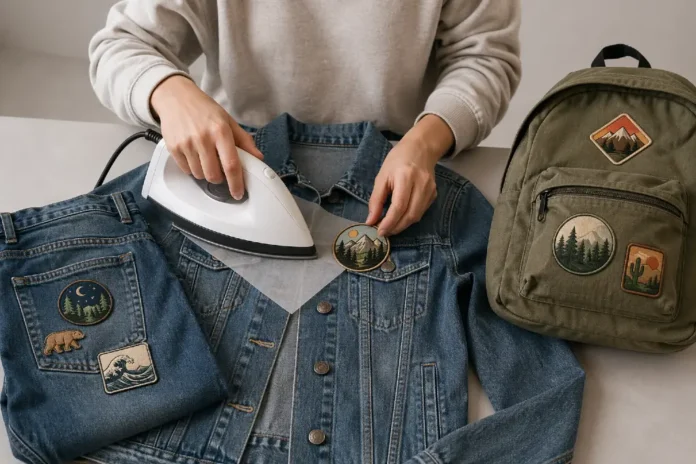
Iron on Patches are one of those small style upgrades that do a lot more than people expect. They can cover a tear, bring an old jacket back to life, make a basic backpack feel more personal, or turn plain jeans into something that actually looks intentional. That mix of repair and style is exactly why they keep showing up in everyday fashion, DIY projects, school gear, and custom streetwear.
They also make sense for people who do not sew and do not want a complicated project. A patch can be a quick fix, but it can also be the detail that makes a piece feel like yours. In a time when more people are trying to repair clothes instead of tossing them out, small upgrades like patches feel practical as well as creative. The U.S. EPA estimates textiles reached 17 million tons in municipal solid waste generation in 2018, which is one reason clothing repair and reuse matter more than ever.
What makes Iron on Patches so popular is the balance. They are easy to apply, affordable, and flexible enough to work across jackets, denim, bags, hats, uniforms, and casual wear. Some people use them to hide damage. Others use them to build a look from scratch. Either way, the result can feel polished without requiring much time, money, or skill.
What Are Iron on Patches?
Iron on Patches are fabric patches with a heat-activated adhesive backing. When you place one on a garment and apply heat, the adhesive melts and bonds the patch to the fabric surface. That basic method is why they are often used for repairs, reinforcement, decoration, and customization.
In simple terms, they sit somewhere between fashion accessory and practical repair tool. A patch can hide a ripped knee, strengthen a worn elbow, or add personality to a plain canvas bag. Some are embroidered. Some are printed. Some are minimalist and subtle, while others are bold enough to become the focal point of an outfit.
That variety is a big reason they work for so many people. You can go vintage, sporty, artsy, rugged, playful, or clean and modern. One patch can completely change how a piece feels.
Why Iron on Patches Still Work So Well
A lot of fashion trends come and go, but patches stay relevant because they solve real problems. They are not just decorative. They are useful.
If you have a favorite denim jacket with a small tear, a patch can save it. If your kid’s school backpack is scuffed up but still functional, a patch can cover the wear and make it look newer. If your jeans are plain and forgettable, a patch can add texture and character.
That is why patches never really disappear. They evolve. At one point they were closely tied to uniforms, clubs, and team identity. Later they became part of music culture, biker style, military-inspired fashion, skate culture, and visible mending. Today, they are just as likely to show up on a thrifted jacket or a handmade tote as they are on anything official.
Best Items to Use Iron on Patches On
Some items are naturally better suited to patches because of their fabric, shape, and the way people wear them. The most reliable results usually come from sturdy woven materials rather than delicate or heavily textured surfaces.
Jackets
Jackets are probably the most popular place for Iron on Patches, and for good reason. They have enough surface area to make patches visible, and the structure of the fabric usually supports them well.
Denim jackets are a classic choice. A patch on the chest, sleeve, shoulder, or back panel instantly changes the look. Utility jackets and canvas workwear styles are also ideal because they already have a rugged texture that pairs well with embroidered designs.
Bomber jackets can work too, especially if the fabric is smooth and stable. The main thing to watch is heat sensitivity. Not every jacket fabric likes direct heat, so checking the care label matters before you start. The FTC requires care labeling for textile wearing apparel, which is useful because those labels tell you whether ironing and heat use are appropriate for the garment.
Jeans
Jeans and patches go together naturally. If you are covering a rip, reinforcing a weak spot, or adding design detail, denim is usually patch-friendly.
Knees, thighs, back pockets, and the lower leg are common placements. A small patch can keep things subtle. A cluster of patches can turn simple denim into a statement piece. That is one reason patched jeans keep returning in fashion cycles. They work whether your style leans casual, vintage, artsy, or streetwear-inspired.
Backpacks
Backpacks are one of the easiest and smartest places to use patches. They are practical, highly visible, and usually made from durable materials like canvas or other structured textiles.
Patches can hide scuffs, personalize a school bag, add character to a travel bag, or give a plain backpack a more curated look. They are especially useful on front pockets, flap sections, and wide panel areas where the patch can sit flat.
This is also a great option for people who want customization without changing their clothing. A patched backpack adds personality without asking you to commit to a bolder fashion piece.
Hats, Tote Bags, and Hoodies
Hats can work well if the surface is flat enough and the fabric can handle the heat. Tote bags are another easy win, especially canvas totes that would otherwise look plain. Hoodies can be trickier because stretch fabric and soft fleece textures are not always ideal for long-term bonding, but it can still work in the right spot with extra care.
The rule is simple. The sturdier and flatter the surface, the easier the patch application tends to be.
The Best Fabrics for Iron on Patches
Not every material handles heat and adhesive the same way. In general, woven fabrics tend to perform better than delicate, stretchy, coated, or highly heat-sensitive materials.
Denim is one of the best options. Canvas is another strong choice. Cotton twill, sturdy cotton blends, and many backpacks made from thick fabric also tend to work well. Singer’s general sewing guidance also notes that denim and canvas fall into heavier fabric categories, which fits why they hold up well for patch placement and reinforcement.
Stretch fabrics can be less predictable because movement can weaken the bond over time. Leather, nylon, vinyl, and some synthetic performance materials may react poorly to direct heat or resist proper adhesion. That does not mean patches are impossible on those items, but it does mean you need to be more careful and sometimes switch to sew-on support instead of relying only on the adhesive.
If the item is expensive, sentimental, or made from a questionable fabric, test carefully or use a lower-risk method.
Style Ideas That Actually Look Good
This is where people often overthink things. A patch only looks awkward when it feels random. When placement and design match the item, it can look surprisingly clean.
A single patch on the chest of a denim jacket gives a subtle custom feel. A larger back patch creates a focal point and works well on oversized or vintage jackets. Two small sleeve patches can make a plain jacket feel more deliberate without becoming loud.
On jeans, small patches near worn areas often look the most natural. A patch over a rip can feel intentional rather than purely functional if the color and texture complement the denim. For backpacks, one or two well-chosen patches usually look better than covering every inch.
There is also a big difference between themed and cluttered. A music-inspired jacket with a consistent color palette can look sharp. A travel bag with a few location-based patches can feel personal. But too many unrelated designs can make the item look messy.
The best patched pieces usually have one thing in common. They still look edited.
How to Apply Iron on Patches the Right Way
The actual process is simple, but doing it well makes a huge difference in how long the patch lasts.
First, start with a clean, dry item. Dirt, lint, moisture, and fabric softener residue can affect how well the adhesive bonds.
Next, place the item on a hard, heat-safe flat surface. A soft ironing board can work, but a firmer surface often gives better pressure. Position the patch exactly where you want it before applying heat.
Then, check the care label. That step matters more than people think. If the garment should not be ironed or requires very low heat, forcing the process can damage the item. The FTC’s care labeling materials are helpful here because they explain standard care instructions and heat-related symbols used on clothing.
After that, place a pressing cloth or thin cotton fabric over the patch. Press firmly with the iron for the recommended time, usually without moving the iron around too much. You want steady pressure, not constant sliding.
Let the patch cool fully before testing the edges. If the corners are lifting, apply a bit more heat and pressure. For high-use items like backpacks or frequently washed jackets, stitching around the edge after ironing can make the patch much more secure over time.
Quick Application Checklist
- Clean and fully dry the item first
- Choose a flat, stable surface
- Check the care label before using heat
- Position the patch carefully before pressing
- Use a pressing cloth to protect the fabric
- Apply steady pressure rather than dragging the iron
- Let the patch cool before touching the edges
- Add a few stitches for extra hold on heavy-use items
Common Mistakes That Ruin the Result
A lot of patch problems come from rushing.
One of the most common mistakes is ironing onto a wrinkled or uneven surface. If the fabric is bunching underneath, the patch may bond unevenly and lift later.
Another issue is ignoring fabric type. Heat-sensitive materials can scorch, melt, or become shiny. That is why jackets made from certain synthetics need extra caution.
Poor placement is another problem. A patch that sits too close to a seam, zipper, pocket edge, or curved area may never fully adhere because the surface is not flat enough.
Washing too soon can also weaken the bond. Give the adhesive time to set before laundering the item. Even when the patch feels secure right away, a little patience helps.
Iron on Patches for Repairs vs Style
People often think of patches as either practical or decorative, but the best ones often do both jobs at once.
For repairs, a patch can extend the life of jeans, kids’ clothing, backpacks, elbows, knees, or workwear. That alone makes them worthwhile. Replacing an entire jacket because of one damaged spot is expensive and wasteful when a patch can solve the issue.
For style, patches bring personality. They can make a mass-produced item feel individual. That matters in a fashion world where so many clothes look the same.
Visible repairs have also become more accepted. A patch no longer has to be hidden. In many cases, the patch is the point. That shift is part of why custom denim, upcycled fashion, and repaired vintage pieces feel more current now than they did years ago.
When You Should Sew the Patch Too
This is one of the best practical tips to know. Even if a patch is labeled iron-on, sewing it down can be the smarter move.
That extra stitching is especially useful for kids’ clothes, travel bags, work jackets, and any item that gets washed or handled often. It is also worth doing if the patch is large or placed on a flex point like a knee, elbow, or curved pocket area.
Think of ironing as the fast install and sewing as the long-term insurance. You do not always need both, but when durability matters, both is usually best.
Are Iron on Patches Worth It?
For most people, yes. They are affordable, easy to use, and flexible enough to work across different styles and needs.
They are worth it for someone trying to save a favorite pair of jeans. They are worth it for someone building a custom jacket. They are worth it for parents fixing school clothes and backpacks without spending much. They are worth it for anyone who likes simple DIY fashion that does not require advanced skill.
The bigger value is that they make clothing feel active again. Instead of throwing something away or leaving it untouched, you can improve it. That is useful, creative, and often more satisfying than buying something new.
How to Make Patched Pieces Look More Expensive
A patch does not have to look crafty in a messy way. It can look intentional and polished.
Start by matching the patch style to the item. Vintage-style embroidery looks great on denim and canvas. Clean geometric patches work better on modern bags or minimal outerwear. Color matters too. If the patch palette clashes with everything else, it can feel accidental.
Placement also changes everything. One strong patch placed well usually looks better than five random ones. Give the eye somewhere clear to land.
Quality matters more than quantity. A well-made patch with clean stitching and a balanced design usually looks better than a cheap patch pack with overly busy graphics.
Final Thoughts on Iron on Patches
Iron on Patches are one of the easiest ways to repair, personalize, and upgrade everyday items without making the process feel complicated. They work because they are practical first and stylish second, but when used well, they do both at the same time.
Whether you are fixing ripped jeans, updating a denim jacket, or giving a plain backpack more personality, patches offer a simple way to make old items feel useful again. They are affordable, beginner-friendly, and creative without being overwhelming.
If you want the best result, pay attention to fabric, heat, and placement. Choose patches that fit the item instead of fighting it. Keep the design intentional. And when durability matters, reinforce the edges with a few stitches.
That is really the appeal. Iron on Patches let you repair what you already have, make it feel more personal, and turn something ordinary into something worth wearing again. If you enjoy the history and design culture behind embroidered patches, it is easy to see why this small detail continues to stay relevant.
FAQs About Iron on Patches
Do Iron on Patches stay on after washing?
They can, especially on sturdy fabrics and correctly applied patches, but heavy washing and high heat can weaken the bond over time. For better durability, wash items inside out and consider stitching around the edges.
Can you use Iron on Patches on backpacks?
Yes, especially on canvas or structured fabric backpacks. They work best on flat sections where the patch can bond evenly.
Are Iron on Patches better than sew-on patches?
They are faster and easier to apply, which makes them great for beginners. Sew-on patches usually offer stronger long-term hold, especially on high-use items.
Can Iron on Patches be used on jeans?
Yes, jeans are one of the best uses for patches. They are great for covering holes, reinforcing worn areas, and adding style.
What clothes should not use Iron on Patches?
Be careful with leather, nylon, vinyl, delicate synthetics, and anything with a care label that warns against ironing. In those cases, sewing may be the safer option.

