


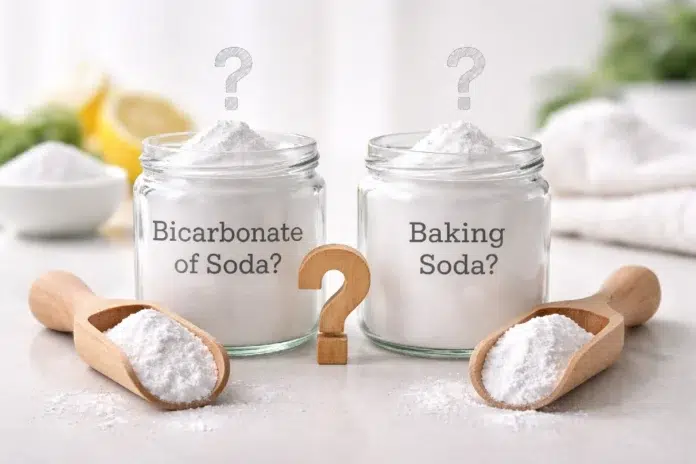
If you have ever stood in a grocery aisle wondering, is bicarbonate of soda the same as baking soda, the simple answer is yes. In most cases, they are two names for the very same substance: sodium bicarbonate, a mild alkaline compound used in baking, cleaning, and a range of household tasks. Authoritative references, including FDA ingredient listings and Britannica, identify baking soda and bicarbonate of soda as the same material.
That said, the confusion is completely understandable. Different countries use different labels, recipes often assume regional knowledge, and people also mix up baking soda with baking powder, which is not the same thing. So while the core answer is straightforward, the practical details matter a lot in everyday cooking, shopping, and home use.
This is where things get useful. Knowing when bicarbonate of soda and baking soda are interchangeable can save a recipe, help you buy the right pantry staple, and prevent one of the most common kitchen mistakes. It can also help you understand why one product lifts pancakes or cookies while another produces a very different result.
Is Bicarbonate of Soda the Same as Baking Soda?
Yes, bicarbonate of soda is the same as baking soda. Both names refer to sodium bicarbonate, also called sodium hydrogen carbonate, a white crystalline or powdery substance with the formula NaHCO3. Britannica lists bicarbonate of soda as another name for sodium bicarbonate, and FDA naming records also connect bicarbonate of soda with baking soda.
In everyday language, the main difference is usually regional wording, not chemistry. In the United States, people more often say baking soda. In the UK, many people are more likely to say bicarbonate of soda or simply bicarb. The product inside the box or packet is still the same basic compound.
So if an American recipe asks for baking soda and your local store sells bicarbonate of soda, you are almost certainly looking at the same ingredient. The same goes the other way around.
Why the Names Are Different
Food language changes from one country to another. That is true for many pantry staples, and sodium bicarbonate is a classic example. One market emphasizes the chemical family name, while another uses the more familiar kitchen label tied to its baking function.
This naming difference becomes more noticeable online because people read recipes from all over the world. Someone in Pakistan, the UK, or Australia may see “bicarbonate of soda” on packaging, while a recipe from the US calls for “baking soda.” The mismatch can make it feel like two separate products are involved when they are not.
That is why search intent around this topic is so strong. People are not just asking for a chemistry definition. They want to know whether they can confidently use what they already have at home.
What Sodium Bicarbonate Actually Does
Sodium bicarbonate is best known in cooking as a chemical leavening agent. That means it helps doughs and batters rise by releasing carbon dioxide gas during a reaction. Britannica notes that sodium bicarbonate is a source of carbon dioxide and is used in baking powders and related food applications, while the FDA lists it as a leavening agent among its technical effects in food.
In plain English, this is what happens in the kitchen. When baking soda meets an acidic ingredient such as yogurt, lemon juice, vinegar, buttermilk, brown sugar, or molasses, it reacts and produces bubbles of carbon dioxide. Those bubbles expand in the batter or dough and help baked goods become lighter and less dense.
That same mild alkalinity is also why it gets used outside the kitchen. Britannica notes its slight alkalinity and broad practical uses, and the FDA recognizes it in food contexts beyond leavening as well.
Baking Soda vs Baking Powder
This is the part that causes the most confusion. Bicarbonate of soda and baking soda are the same thing, but baking powder is different. Britannica describes baking powder as a blend that includes a base such as bicarbonate plus a weak acid, often along with starch for stability.
Here is the practical difference:
| Product | What it is | How it works |
|---|---|---|
| Baking soda / bicarbonate of soda | Pure sodium bicarbonate | Needs acid in the recipe to react properly |
| Baking powder | A mixture containing bicarbonate plus acid components and usually starch | Can provide leavening more independently |
If you swap these two carelessly, your results can go wrong fast. A recipe that needs baking soda usually relies on a specific acid already present in the ingredients. A recipe that calls for baking powder is built around a different balance. Using one in place of the other can affect rise, taste, texture, and even color.
This is why cookies may spread too much, muffins may stay flat, or cakes may taste oddly bitter when the wrong product is used.
When Baking Soda Works Best in Recipes
Baking soda shines in recipes that already contain something acidic. Think of pancakes made with buttermilk, chocolate cakes using natural cocoa, banana bread with yogurt, or cookies with molasses. In those cases, sodium bicarbonate has something to react with, so you get better lift and often better browning too. The basic science behind its reaction with acids is well established, including educational material from the American Chemical Society showing carbon dioxide formation when baking soda reacts with an acid.
It is also powerful. You typically need less baking soda than baking powder because the reaction is more direct and concentrated. That is why recipe measurements are usually small.
Too much, though, can be a problem. If there is not enough acid in the batter to neutralize it, leftover baking soda can leave a soapy, metallic, or bitter taste. That is one reason experienced bakers pay close attention to ingredient balance rather than treating leavening agents as interchangeable.
Common Situations Where People Get Confused
The first common mistake happens at the store. A person sees “bicarbonate of soda” and assumes it is a special cleaning product, while “baking soda” sounds food-safe. In fact, when the ingredient is sodium bicarbonate and sold appropriately for food use, the naming difference alone does not make one more “real” or more kitchen-friendly than the other. FDA records use both terms for the same substance.
The second mistake happens with recipe substitutions. People often ask whether they can replace baking powder with baking soda because they sound related. They are related, but they are not direct equals. Baking powder includes additional components, especially acids, and is formulated to behave differently in batter.
The third mistake is assuming more is better. Adding extra baking soda does not automatically make baked goods fluffier. Too much can distort flavor and texture, and it can throw off the chemistry of the recipe.
Can You Use Bicarbonate of Soda for Cleaning Too?
Yes, many households use sodium bicarbonate for more than baking. Its mild alkalinity and fine texture make it a common choice for gentle household tasks such as deodorizing and light scrubbing. Britannica notes a range of non-baking uses for sodium bicarbonate, and the FDA recognizes its broader food-related functional roles as well.
That said, there is a practical difference between food use and household use in terms of product labeling and intended application. If you are using a product in recipes, buy one clearly sold and labeled for food use. For cleaning jobs, people may buy larger boxes marketed more broadly for household purposes.
A good real-world example is fridge odor control. The same basic compound that helps a cake rise can also help absorb odors in a refrigerator. That surprises a lot of people, but it makes sense once you understand that the ingredient itself has multiple uses.
Is There Any Difference in Strength or Quality?
Chemically, bicarbonate of soda and baking soda are the same substance when both are sodium bicarbonate. The bigger differences come from brand, packaging, freshness, purity standards, and intended use, not from the name alone.
Freshness matters more than many home cooks realize. If baking soda has been sitting open for a long time, especially in a humid environment, it may not perform as well in baking. Because its role depends on chemical reactivity, older product can become less reliable over time.
A simple home test is often used by bakers: add a small spoonful to an acid such as vinegar. If it fizzes vigorously, it is usually still active. The ACS educational material on baking soda and vinegar reflects that familiar reaction and its production of gas.
The Best Way to Read Recipe Language
When you come across unfamiliar recipe wording, do not panic. Start by checking the context.
If the recipe says bicarbonate of soda, think baking soda.
If it says baking powder, do not treat it as the same thing.
If the ingredient list includes acidic items like buttermilk, lemon juice, yogurt, or molasses, that is another clue the recipe may intentionally call for baking soda rather than baking powder.
This small habit can save a surprising number of failed bakes. It is especially helpful when following international recipes, where ingredient naming can differ even when the chemistry does not.
What About Health and Sodium Content?
Because baking soda is sodium bicarbonate, it does contain sodium. The FDA notes that sodium bicarbonate contributes sodium as a food ingredient.
For normal baking use, the amount in a serving depends on the recipe and portion size. Still, this is one reason recipes use measured amounts rather than casual spoonfuls. It is also why people should be cautious about treating it as a wellness shortcut just because it is a common pantry item.
In everyday cooking, the important takeaway is simple: it is a functional ingredient, not something to use carelessly. Stick to recipe measurements, and use it for the purpose intended.
Real Kitchen Examples
Imagine you are making chocolate cookies with brown sugar. The recipe calls for baking soda. That makes sense because brown sugar is mildly acidic, and the baking soda helps the cookies spread, brown, and rise in the way the recipe designer intended.
Now imagine you are baking a simple vanilla cake with no notably acidic ingredients. That recipe may call for baking powder instead, because the acid needed for the rise is already built into that product. Using only baking soda there could leave the cake under-risen and oddly flavored.
Or take a global grocery example. A UK-style ingredient label says bicarbonate of soda, while a US recipe says baking soda. In that case, you can go ahead and use it with confidence because the name changed, not the substance.
Quick Answer to the Most Common Questions
Is bicarbonate of soda the same as baking soda in baking?
Yes. In baking, bicarbonate of soda and baking soda mean the same ingredient: sodium bicarbonate.
Is bicarbonate of soda the same as baking powder?
No. Baking powder contains sodium bicarbonate, but it also includes acid components and usually starch, so it behaves differently.
Can I substitute bicarbonate of soda for baking soda?
Yes, because they are the same ingredient when both labels refer to sodium bicarbonate.
Why do recipes use different names?
Usually because of regional language differences between countries and publishers.
What happens if I use too much baking soda?
You may end up with a bitter or soapy taste and an unbalanced texture because the chemistry of the recipe gets thrown off.
Final Thoughts
So, is bicarbonate of soda the same as baking soda? Yes, for everyday cooking and shopping, the answer is almost always yes. They are two common names for sodium bicarbonate, the same ingredient used to help baked goods rise and support several practical household uses.
The real issue is not bicarbonate of soda versus baking soda. The real issue is understanding the difference between that ingredient and baking powder, and knowing when a recipe needs one rather than the other. Once you know that, ingredient labels become much less confusing and your results in the kitchen become far more reliable.
For everyday use, the smartest approach is simple. Read the label, check the ingredient name, and think about the role it plays in the recipe. If the package says sodium bicarbonate, you are dealing with the same core product, whether the front says baking soda or bicarbonate of soda.
That little bit of kitchen knowledge goes a long way. It saves money, prevents substitution mistakes, and makes you more confident when reading recipes from different countries. If you want the formal chemical background, the term sodium bicarbonate is the one to remember.

