


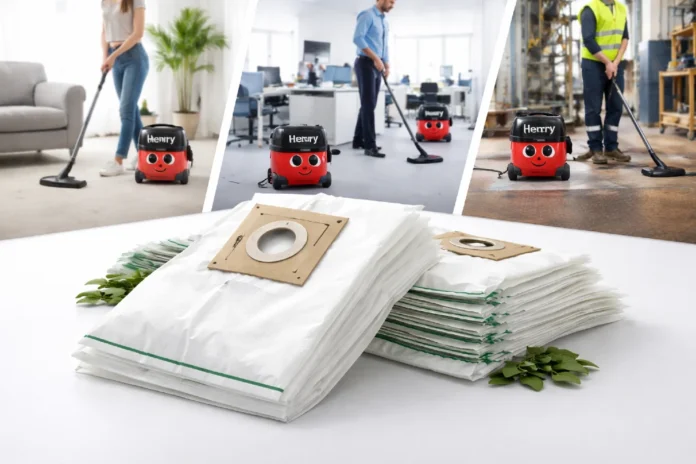
When people search for Henry Hoover Bags, they are usually not looking for anything flashy. They want the right fit, solid dust control, dependable suction, and a bag that does not split or leak halfway through a cleaning job. That is exactly why this topic matters. The right bag affects day-to-day performance more than many buyers realize, especially in busy homes, shared offices, and heavier-use settings where the vacuum is doing real work every week.
Henry vacuums have built a loyal following over decades because they are known for durability, simple maintenance, and practical cleaning power. The Henry line is made by Numatic International, and the brand has been around since the early 1980s, becoming especially recognizable in the UK and beyond for its distinctive design and long-running popularity. For buyers choosing replacement bags, that brand reputation matters because bag quality directly affects airflow, capacity, cleanliness during disposal, and the life of the machine itself. Numatic’s official product pages describe its genuine HepaFlo bags as triple-layer bags designed to maximize capacity, filtration, and airflow, with a self-seal tab for cleaner disposal.
That is why the conversation around Henry bags is less about branding alone and more about matching bag type to actual cleaning habits. A small apartment with one or two weekly cleanups does not place the same demand on a vacuum as a family home with pets, a busy office with constant foot traffic, or a workshop-style setting where heavier debris appears more often. The best choice depends on how often the machine runs, what kind of dirt it picks up, and whether the user values lower upfront cost or steadier long-term performance.
Why Henry vacuum bags matter more than many people think
A vacuum bag is not just a container for dirt. In a bagged system, it is part of the filtration setup and part of the airflow equation. Numatic states that its genuine HepaFlo bags are engineered to support airflow while helping trap dust more effectively, and that combination is a major reason many users stick with bagged Henry models instead of switching to bagless alternatives.
This becomes more important in real indoor environments because vacuuming can stir up particles while cleaning. The U.S. Environmental Protection Agency notes that indoor particulate matter can come from common household activities, and it specifically advises considering a vacuum with a HEPA filter to reduce dust buildup. NHS and allergy-focused guidance also emphasizes the value of high-filtration vacuum systems for homes dealing with dust sensitivity.
In simple terms, the bag influences three things that users notice quickly. First, how much dust stays inside the machine instead of drifting back into the room. Second, how consistently the vacuum pulls debris from carpets and floors. Third, how messy or clean the bag replacement process feels. In homes with allergy concerns, in offices where cleanliness needs to be maintained without fuss, and in heavy-use environments where downtime is annoying, those details become practical, not theoretical.
The most common types behind Henry Hoover Bags
Most people shopping for Henry replacements will come across the genuine Numatic HepaFlo range first. These are the bags most closely associated with mainstream Henry and related models. Numatic’s official listings highlight features such as triple-layer construction, self-seal tabs, and performance benefits tied to capacity and airflow.
Two names often seen are NVM-1CH and NVM-2BH, though compatibility depends on the specific machine size and model family. The NVM-1CH is widely recognized for standard domestic Henry-style applications, while the NVM-2BH is associated with larger-capacity or different compatible units in the Numatic ecosystem. Numatic’s own product pages distinguish these products clearly, which is why checking the exact model before buying is worth the extra minute.
There are also compatible third-party bags on the market. Some buyers choose them because they cost less, especially when purchasing in larger packs for office or commercial-style use. That said, the appeal of genuine bags remains strong because fit and seal quality matter. A bag that seems slightly cheaper can become more expensive if it affects suction, allows dust escape, or fills awkwardly. For many users, especially those who clean regularly, the safer choice is the one that preserves the machine’s expected performance.
Popular choices for homes
In most households, the bag choice comes down to convenience, cleanliness, and reliability. Homes generate a mix of dust, hair, crumbs, fibers, and everyday debris. For that kind of routine cleaning, buyers usually want a bag that installs easily, holds a practical amount of dirt, and does not release a cloud of dust when removed.
That is where genuine HepaFlo bags tend to stand out. Numatic explicitly promotes them for clean and safe emptying, along with better airflow and capacity. In a household setting, this translates to fewer annoyances. The bag fits properly, fills in a predictable way, and can be removed without turning a quick chore into a mess.
For homes with children or pets, bag performance feels even more noticeable. Pet hair, lint, entryway dirt, and constant room-to-room cleaning can push a vacuum harder than people expect. Buyers in this category often prefer not to gamble on poor-fitting replacements. A bag that seals well and supports steady suction usually wins because it keeps routine cleaning simple. The value is not only in how the vacuum performs today, but in how well it keeps performing month after month.
Another reason homes tend to favor dependable bag choices is the indoor air angle. EPA guidance and allergy resources consistently point toward the importance of effective filtration and better dust containment in indoor spaces. In practice, that means the bag is part of a cleaner-feeling home environment, especially in carpeted rooms and high-use living areas.
Popular choices for offices
Offices create a different kind of demand. The debris may look lighter than what shows up in a busy family home, but the frequency of use can be higher and more predictable. Reception areas, meeting rooms, corridors, workstations, and shared kitchens all create ongoing dust and foot-traffic buildup. Here, buyers usually want replacement bags that are cost-effective across repeated use and dependable enough to avoid interruptions.
This is why office managers and cleaning staff often care less about marketing language and more about consistency. A good bag should fit quickly, hold enough dust for routine rounds, and keep the machine operating smoothly. Numatic’s commercial and professional product pages also stress the performance value of high-efficiency, triple-layer HepaFlo bags in larger-capacity settings, reinforcing why the same design philosophy is trusted beyond domestic use.
In an office, the right bag also saves time indirectly. Clean replacement means less mess in storage cupboards, utility rooms, or janitorial areas. Better dust containment matters when vacuuming needs to happen before staff arrive, during quiet hours, or between meetings. Nobody wants a machine that leaves a fine dusty smell behind after a pass through the carpet.
For offices that buy in volume, compatible bags can look attractive on price alone. Sometimes that works out fine. But where multiple staff members use the same vacuum, genuine bags can offer a kind of operational simplicity. There is less second-guessing about fit, fewer complaints about reduced suction, and less risk of inconsistent performance from one batch to the next.
Popular choices for heavy use
Heavy use changes the equation again. This can include large homes with constant traffic, rental properties, hospitality spaces, workshops, schools, maintenance teams, or any setting where the vacuum is not just an occasional tool. In these situations, the right bag needs to manage repeated filling, maintain airflow as long as possible, and minimize dust exposure during changes.
Numatic’s official language around maximizing capacity, enhancing airflow, and enabling easy, safe emptying becomes especially relevant here. Under heavier use, weak bags reveal themselves quickly. They fill unevenly, lose shape, or create small frustrations that add up over time. Stronger, well-fitted bags are usually preferred because they support the machine under pressure rather than turning each replacement into a point of failure.
In heavier-use settings, downtime matters too. A vacuum that is used across multiple rooms or multiple users needs supplies that can be trusted. This is why many long-term users stay with genuine Numatic consumables even when cheaper alternatives exist. The decision is not always about premium branding. It is often about avoiding waste, reducing maintenance surprises, and keeping cleaning routines predictable.
Genuine vs compatible bags
This is one of the biggest questions around Henry Hoover Bags, and the honest answer is that both have a market for a reason.
Genuine bags usually appeal to buyers who want confidence in fit, filtration, and performance. Numatic’s own descriptions are clear about the intended benefits: self-seal tabs, triple-layer material, increased filtration, and airflow support. If the vacuum is used frequently, that reliability can feel worth the extra spend.
Compatible bags appeal to bargain-minded buyers, landlords, budget offices, and anyone ordering in bulk. The best compatible versions can be perfectly serviceable for lighter or more casual cleaning. The problem is inconsistency. With off-brand products, quality can vary more from seller to seller. Some fit snugly and work well. Others may look right in the listing but perform poorly once installed.
The smarter way to look at the choice is not simply cheap versus expensive. It is low-risk versus variable-risk. For everyday users who care about suction, clean disposal, and the long-term feel of the machine, genuine bags often remain the safer default.
How to know which bag is right for your model
The simplest mistake buyers make is assuming every Henry-style vacuum uses the same bag. Many do overlap within the Numatic family, but not all models are identical. Checking the model number first is the fastest way to avoid returns, poor fit, or wasted money.
Numatic’s official product catalog distinguishes among bag types such as NVM-1CH, NVM-2BH, and other model-linked variants, including products for 130-type machines. That tells buyers something important: visual similarity between vacuums does not guarantee identical compatibility.
A careful buyer usually checks three things. The machine model, the recommended bag code, and whether the purchase is genuine or third-party compatible. That small bit of attention saves a lot of frustration later.
Real-world signs your current bag choice is not working well
Most people do not analyze their vacuum bag until something feels off. The machine may seem louder, pick up less dirt, smell dustier, or require more frequent bag changes than expected. Those are often practical warning signs.
A poor bag fit can affect airflow and make the vacuum feel weaker than it really is. A lower-quality bag can also make changing time messier than it should be. In homes with sensitive dust conditions, that matters more than many shoppers think, because dust released during vacuuming or disposal can worsen indoor comfort.
When a Henry vacuum is paired with a well-matched bag, the experience tends to feel straightforward. The machine cleans consistently. The dust stays contained. The replacement process remains simple. Those ordinary details are usually the clearest sign that the bag choice is doing its job.
The long-term value of choosing well
The appeal of Henry vacuums has always been practical endurance. The brand’s long history, widespread recognition, and continued use across homes and professional settings all point to a product line built around reliability rather than novelty. Replacement bags are part of that story.
A well-chosen bag supports suction, cleaner disposal, and better everyday usability. It also helps preserve the reason people buy a Henry in the first place: they want a machine that keeps working without drama. In homes, that means cleaner rooms with less fuss. In offices, it means a tidier environment with fewer interruptions. In heavy-use settings, it means steadier performance and fewer avoidable hassles.
That is why the best-selling and most practical options tend to be the ones that match real cleaning demands, not just the lowest listed price. Buyers who prioritize correct fit, strong filtration, and predictable performance usually end up happiest with their purchase.
Conclusion
Choosing the right Henry Hoover Bags is really about matching the bag to the way the vacuum is used. For homes, the priority is usually clean replacement, stable suction, and less dust escaping back into living spaces. For offices, it is consistency and ease across repeated cleaning cycles. For heavy use, it becomes a question of durability, capacity, and keeping the machine efficient under pressure.
That is why bag choice deserves more attention than it often gets. A good replacement keeps the vacuum performing the way people expect, while a poor one can quietly reduce the benefits of an otherwise dependable machine. For readers comparing options, the most sensible path is to focus on fit, filtration, and cleaning habits first, then weigh price after that. If you want to understand more about the wider legacy of the Henry vacuum, its history helps explain why so many buyers still care about choosing the right replacement parts in the first place.

