


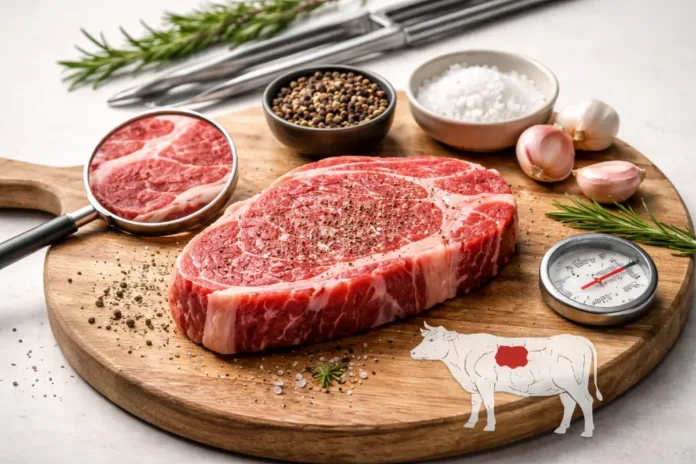
If you have ever stood at a butcher’s counter or scanned a steak menu and wondered whether Scotch Fillet is actually worth the money, you are not alone. It is one of those cuts that sounds familiar to serious steak fans, but many buyers still are not fully sure what makes it different, how it compares with ribeye, or why it often carries a premium price. The short answer is simple: this cut is prized because it brings together tenderness, marbling, and rich beef flavor in a way that few other steaks do. That reputation is not just marketing. It lines up with how marbling affects tenderness and juiciness, and with the way quality grading systems evaluate beef.
For buyers, though, taste alone is not enough. You also want to know what you are paying for, what to look for in the display case, how to cook it without wasting a good cut, and whether the label on the package really tells the whole story. That is where understanding the basics helps. Once you know how Scotch Fillet is cut, what marbling really means, and how quality, thickness, and cooking method all work together, you make better choices and get more consistent results at home.
What Is Scotch Fillet?
In many markets, especially Australia and New Zealand, Scotch Fillet refers to the boneless steak cut from the rib section of the animal. In practical terms, it closely overlaps with what many U.S. buyers know as ribeye when sold without the bone. That part of the animal does less hard work than the leg or shoulder, which is one big reason the meat stays relatively tender. It also tends to carry visible intramuscular fat, better known as marbling, which melts during cooking and adds flavor and juiciness.
That point matters because buyers sometimes think all premium steaks are basically the same. They are not. A tenderloin may be softer, but it is usually milder in flavor. A sirloin may be leaner and more affordable, but it often does not give you the same buttery mouthfeel. Scotch Fillet lands in the sweet spot for many people. It has enough fat to feel luxurious, but it still eats like a classic steak rather than a roast.
Why Buyers Keep Coming Back to This Cut
There is a reason this steak remains a favorite in butcher shops and restaurants. Meat buyers are often chasing three things at once: tenderness, bold flavor, and a forgiving cooking experience. This cut checks all three boxes.
The tenderness comes from location. Rib muscles do not work as hard as muscles used for movement, so they are naturally less tough. The flavor comes from fat. USDA guidance on beef marbling consistently points out that more marbling is associated with greater juiciness, flavor, and overall eating quality. Higher grades such as Prime and Choice are valued partly for that reason.
The third reason is practical. Scotch Fillet is more forgiving than very lean steaks. A lean cut can go from perfect to dry in a hurry. A well-marbled rib cut gives you a little more room for error, which is helpful whether you are using a skillet, grill, or broiler.
Scotch Fillet vs Ribeye: Are They the Same?
This is probably the most common question around the cut, and the answer depends on where you are buying your steak. In many cases, Scotch Fillet is essentially the regional name used for a boneless ribeye steak from the rib section. In other words, the eating experience is very similar because the muscle and fat structure are similar.
That said, labels are not always perfectly standardized at every butcher counter. Trimming style, thickness, aging, breed, and grading can all change what ends up in the tray. So instead of focusing only on the name, smart buyers also look at the steak itself. Is the marbling evenly spread? Does the cut look thick enough for the cooking method you want? Has too much external fat been left on, or worse, trimmed so aggressively that the steak loses character?
For most home cooks, the practical takeaway is this: if you are choosing between a properly cut Scotch Fillet and a boneless ribeye of similar quality, you are usually shopping in the same flavor family.
The Marbling Question Buyers Should Never Ignore
If there is one thing that separates an average steak purchase from a great one, it is attention to marbling. Marbling is the thin flecking of fat within the muscle. It is not the thick outer strip of fat on the edge. When heat hits a marbled steak, that fat softens and helps protect the meat from drying out while also carrying flavor.
USDA materials on beef grading make this connection very clear. Higher marbling is associated with higher eating quality, which is why Prime typically has more marbling than Choice, and Choice more than Select. That does not mean a lower grade steak cannot be good, but it does mean the odds of a richer and juicier result increase as marbling improves.
When you are buying, look for fine, evenly distributed white streaks throughout the steak rather than one or two heavy lumps of fat. Uniform marbling usually signals a better eating experience than random fat pockets. A steak can look dramatic and still cook unevenly if the fat structure is clumsy.
Thickness Matters More Than Many Buyers Realize
A lot of people focus on weight and forget thickness. That is a mistake. Thickness affects how easily you can build a good crust without overcooking the center. A thinner steak cooks fast and leaves almost no margin for error. A thicker one gives you better control, especially if you like a medium rare center with a proper sear.
For skillet or grill cooking, a steak around 1 to 1.5 inches thick is usually easier to manage than a thin supermarket cut. It is not just about appearance. It is about heat management. Thin steaks often force you to choose between color on the outside and juiciness inside. Thicker cuts let you have both.
This is one reason steakhouse versions often taste better than casual home attempts. Restaurants usually start with cuts thick enough to develop surface browning while protecting the center. At home, buyers can improve results simply by choosing thickness more deliberately.
Color, Smell, and Surface Clues That Help You Buy Better
Good steak buying is part knowledge and part observation. Fresh beef should generally have a clean appearance and a normal fresh meat smell, not a sour or unpleasant odor. Color can vary depending on packaging and oxygen exposure, so bright red is not the only sign of quality. Vacuum-packed beef can appear darker or more purplish until it blooms with oxygen after opening, and that alone is not necessarily a problem. USDA food quality resources note that packaging conditions can affect color stability and appearance.
Texture matters too. The surface should not feel excessively slimy. The fat should look creamy white to slightly ivory rather than grey and dried out. And while some dry-aged beef will naturally look darker on the exterior, standard fresh steak should still appear clean and well kept.
If you are shopping in person, do not be shy about asking when the steak was cut, whether it has been aged, and how the butcher recommends cooking it. A good butcher usually welcomes those questions because they show you care about matching the cut to the right method.
Aging Changes the Experience
Many buyers hear the words dry-aged or wet-aged and assume one is always better. It is more nuanced than that. Most retail beef is wet-aged in vacuum packaging. This process can improve tenderness over time while preserving moisture. Dry aging, by contrast, exposes the beef to carefully controlled air over time, concentrating flavor and creating a more nutty, intense profile.
For Scotch Fillet, aging can make a noticeable difference because the cut already has strong marbling and flavor. Dry aging can deepen that character, while wet aging often gives you a cleaner, beefy taste with less moisture loss. Neither is automatically superior. It depends on your taste and budget.
If you are buying for a dinner party where you want broad crowd appeal, a well-cut wet-aged steak is often the safe bet. If you are buying for people who love deep, steakhouse-style flavor, dry-aged can be a memorable upgrade.
Quality Grade Is Helpful, but It Is Not the Whole Story
Buyers sometimes overestimate grade labels and underestimate everything else. Grade is useful, but it should be treated as one piece of the puzzle, not the whole picture. USDA grading helps buyers compare overall quality, especially marbling and expected eating experience, but cooking method, thickness, aging, and handling still matter enormously.
A Choice steak from a good butcher that has been aged well and cut properly can outperform a poorly handled Prime steak. Likewise, a great steak can be ruined by overcrowding the pan, salting too late, or slicing it immediately after cooking.
That is why the smartest buyers do not rely on one label. They combine grade, marbling, appearance, thickness, and source. That fuller view usually leads to better meals.
How to Cook It Without Wasting the Cut
This is where many buyers lose value. They pay for a premium steak and then cook it like an ordinary weeknight protein. Scotch Fillet deserves a little more attention, though not necessarily a complicated method.
The goal is simple. You want strong browning outside and a juicy interior. Pat the steak dry first. Salt it in advance if you can. Let it lose some refrigerator chill before it hits the heat. Then use a very hot pan or a properly preheated grill.
A food thermometer makes the process much more reliable than guesswork. USDA food safety guidance says steaks and roasts should reach 145°F or 63°C and then rest for at least 3 minutes before eating. That is the safety baseline. Many steak lovers still aim to remove the steak from heat slightly before that point and let carryover cooking finish the job during rest, but the official safe minimum remains 145°F with rest time.
A few practical habits improve results fast:
- Dry the surface before cooking so it sears instead of steams.
- Use high heat to build crust.
- Rest the steak before slicing so juices redistribute.
- Slice against the grain when serving, especially if the cut has a distinct muscle pattern.
These are basic steps, but they make a surprising difference.
Common Buying Mistakes That Lead to Disappointment
Some steak mistakes happen in the kitchen, but plenty begin at the purchase stage.
The first mistake is buying by name alone. People see a premium-sounding cut name and assume quality is guaranteed. It is not. Look at marbling, thickness, trimming, and freshness.
The second mistake is buying too thin. A premium steak cut too thin is much harder to cook well.
The third is confusing tenderness with flavor. A buyer may choose the softest cut available and then wonder why dinner tastes mild. Scotch Fillet is popular partly because it does not force that trade-off. It gives you tenderness with more flavor than ultra-lean luxury cuts.
The fourth mistake is skipping the thermometer. Even experienced cooks can overestimate doneness by touch, especially when dealing with a thick, fatty steak.
Is Scotch Fillet Healthy?
This depends on what you mean by healthy. It is certainly not the leanest steak cut, so buyers focused strictly on lower fat options may prefer something else. At the same time, beef provides valuable nutrients such as high-quality protein, iron, zinc, and B vitamins, and USDA FoodData Central is one of the main public databases used to assess those nutrient values across beef products.
The bigger point is context. A portion-controlled Scotch Fillet served with vegetables, potatoes, or salad can fit into a balanced meal. Problems usually come from oversized portions, heavy sauces, and poor overall diet habits, not from the existence of one marbled steak in an otherwise sensible eating pattern.
For buyers trying to balance enjoyment with nutrition, portion size is the practical lever. You do not have to give up flavor. You just need to be intentional.
What to Ask a Butcher Before You Buy
If you are shopping at a proper butcher rather than grabbing a tray from a chiller, a few simple questions can improve your odds of getting a great steak.
Ask where the beef came from. Ask whether the cut is wet-aged or dry-aged. Ask when it was cut. Ask which thickness they recommend for pan-searing versus grilling. And if you are comparing a few steaks, ask which one they would take home themselves.
That last question is underrated. Skilled butchers often notice fine differences in marbling structure and trim that casual buyers miss. A quick conversation can save you money or steer you toward the better piece in the case.
How Scotch Fillet Fits Different Cooking Styles
One of the reasons this cut remains so widely loved is versatility. It behaves well on a grill, in a heavy skillet, under a broiler, and even in reverse-sear setups. The marbling gives it resilience, so it is not as punishing as leaner steaks if your heat management is imperfect.
For pan-searing, a cast-iron skillet is ideal because it holds heat and supports a strong crust. For grilling, the fat content helps the steak stay juicy, though flare-ups can happen if dripping fat hits open flames. For thicker steaks, a two-zone fire or reverse-sear method gives better control.
That versatility matters for buyers because it lowers risk. A premium cut that only works under one narrow set of conditions is harder to justify. Scotch Fillet usually gives you more paths to success.
Price and Value: Is It Worth Paying More?
This is the question behind most buying decisions. Scotch Fillet is rarely the cheapest option at the meat counter, so the real issue is value, not just price. Buyers are willing to pay more when they believe the cut offers a better eating experience and more consistent results. In many cases, that is exactly what they get.
Still, value changes depending on the occasion. If you are feeding a crowd, a less expensive cut cooked carefully may make more financial sense. If you are planning a special dinner for two, the extra cost of a superior steak may be small compared with the payoff on the plate.
A practical way to think about it is this: not every meal needs the most premium cut, but when flavor, tenderness, and presentation really matter, Scotch Fillet often earns its place.
Real-World Scenario: The Difference One Better Choice Makes
Imagine two home cooks shopping for steak on the same day. One buys a thin, lean steak because the price looks attractive. The other chooses a thicker Scotch Fillet with visible marbling and cooks it in a hot skillet, then lets it rest. Even if the second buyer spends more, the meal is usually more satisfying, more forgiving to cook, and closer to the steakhouse result most people actually want.
That is the core buying lesson. Better steak decisions are rarely about fancy language. They come down to understanding what the cut is, what visual signs matter, and how the steak will behave once heat hits it.
Conclusion
For steak buyers, the appeal of Scotch Fillet comes down to something very simple: it delivers where people care most. It offers rich beef flavor, visible marbling, dependable tenderness, and cooking flexibility that makes it easier to get right at home. Once you understand how to judge marbling, choose the right thickness, read grading in context, and cook to a safe final temperature, you are no longer buying on guesswork. You are buying with confidence. And that usually means better steak, better value, and fewer disappointing dinners.
If you are the kind of buyer who wants a steak that feels special without becoming overly fussy, this cut remains one of the smartest choices at the counter. In the end, the best purchase is not always the most expensive one. It is the one that matches your taste, your budget, and your ability to cook it well. For broader background on beef cuts, it helps to see how different sections of the animal shape texture, tenderness, and flavor.

