


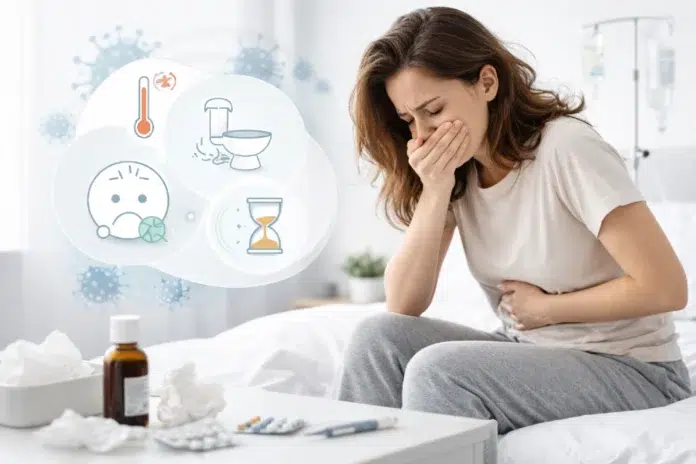
A Sickness Bug can knock you off your feet fast. One minute you feel mostly fine, and the next you are dealing with nausea, stomach cramps, diarrhea, or vomiting and wondering whether you picked up a virus, ate something bad, or caught what everyone else in the house seems to have. In everyday language, people use Sickness Bug to describe a short, sudden stomach illness, and in many cases that points to viral gastroenteritis, especially norovirus, one of the most common causes of vomiting and diarrhea outbreaks.
The good news is that most cases clear up on their own. The frustrating part is how miserable it feels while it lasts, and how easily it can spread through homes, schools, offices, and care settings. Most people recover within about 1 to 3 days, although the exact timeline depends on the virus, your age, your general health, and how much fluid you are losing.
If you are trying to figure out whether your symptoms sound like a Sickness Bug, what may have caused it, and how long you are likely to feel rough, this article breaks it down in plain English.
What Is a Sickness Bug?
A Sickness Bug is not a formal medical diagnosis. It is a common phrase people use for a stomach illness that causes vomiting, diarrhea, nausea, and cramping. Doctors usually describe this kind of illness as viral gastroenteritis when a virus is behind it. Norovirus is a major cause, but it is not the only one. Other viruses can cause similar symptoms too.
This is where many people get confused. A Sickness Bug is often called the “stomach flu,” but it is not the same thing as influenza. Flu affects the respiratory system, while viral gastroenteritis affects the stomach and intestines. That difference matters because the symptoms, treatment approach, and contagious period are different.
In simple terms, if the main problem is vomiting, diarrhea, stomach pain, and dehydration risk, people are usually talking about a Sickness Bug, not regular flu.
Sickness Bug Symptoms to Watch For
The symptoms of a Sickness Bug usually come on quickly. People often describe it as sudden, intense, and hard to ignore. Common symptoms include nausea, vomiting, watery diarrhea, stomach cramps, and sometimes a mild fever, headache, body aches, or general fatigue.
Here are the symptoms most people notice first:
- Sudden nausea
- Vomiting
- Watery diarrhea
- Cramping or pain in the abdomen
- Low fever in some cases
- Tiredness, chills, headache, or muscle aches in some people
Not everyone gets every symptom. Some people mainly vomit. Others mostly have diarrhea and cramps. Children may show slightly different patterns than adults, and the biggest concern in both groups is dehydration if the body loses more fluid than it takes in.
Signs That It May Be More Than a Typical Sickness Bug
A routine Sickness Bug usually causes non-bloody diarrhea and settles within a few days. If you see blood in the stool, severe ongoing pain, fainting, confusion, or symptoms that drag on longer than expected, that may point to something else or to a complication that needs proper medical assessment. Mayo Clinic notes that watery, nonbloody diarrhea is typical for viral gastroenteritis, and bloody diarrhea may suggest a different, more serious infection.
What Causes a Sickness Bug?
Most people asking about a Sickness Bug are really asking one practical question: “How did I catch this?” In many cases, the answer is a virus. Norovirus is especially well known because it spreads very easily and can move through families and communities fast. The virus can spread through contaminated food, water, surfaces, or close contact with an infected person.
A person can pick up a Sickness Bug by:
- Eating food handled by someone who is infected
- Touching contaminated surfaces and then touching the mouth
- Sharing a bathroom or living space with someone ill
- Cleaning up vomit or diarrhea without proper hygiene
- Being in crowded settings where stomach viruses pass easily
That is one reason outbreaks happen so often in schools, cruise ships, dorms, hospitals, and care homes. It does not take much exposure for norovirus to move from one person to another, and people are often most contagious while they are actively sick, especially when vomiting.
Not every stomach upset is viral, though. Food poisoning, medication side effects, bacterial infections, and parasite infections can sometimes feel similar at first. That is why context matters. If several people got sick after the same meal, food contamination becomes a stronger possibility. If the illness is moving person to person at home, school, or work, a viral Sickness Bug becomes more likely.
How Long Does a Sickness Bug Usually Last?
This is usually the first thing people want to know, and understandably so. In most otherwise healthy people, a Sickness Bug caused by a common stomach virus improves within about 1 to 3 days. NHS says people with norovirus usually start to feel better in 2 to 3 days, while CDC and other medical sources also place typical recovery in that same general range.
A simple timeline looks like this:
| Stage | What commonly happens |
|---|---|
| First 12 to 48 hours after exposure | Symptoms may begin, especially with norovirus |
| Day 1 to Day 2 of illness | Vomiting, diarrhea, nausea, stomach cramps are often at their worst |
| Day 2 to Day 3 | Many people start improving |
| Beyond Day 3 | Some people still feel weak, drained, or have lingering stomach sensitivity |
The incubation period for norovirus is typically around 12 to 48 hours, and most people recover fully within 1 to 3 days. However, some cases last longer, especially in young children, older adults, hospitalized patients, or people who are already unwell.
That lingering washed-out feeling is common. Even after the vomiting stops, appetite may stay low and the gut can feel sensitive for another day or two. That does not always mean the illness is getting worse. Often it just means the body is still recovering.
How Long Is a Sickness Bug Contagious?
This is where people often underestimate the problem. You might feel better and still be able to spread the virus. CDC says people with norovirus are most contagious while they have symptoms and during the first few days after they recover, but studies show they can still spread the virus for 2 weeks or more after feeling better. Mayo Clinic similarly notes that contagiousness can continue from a few days up to two weeks or more, depending on the virus involved.
That does not mean everyone remains highly infectious for two full weeks in the same way. It means the risk does not instantly disappear once the vomiting stops. This is why careful handwashing, surface cleaning, and extra caution around food handling still matter after symptoms improve.
If you have had a Sickness Bug, it is smart to be extra careful around children, older relatives, and anyone with a weakened immune system for several days after recovery.
Sickness Bug vs Food Poisoning
People mix these up all the time, and sometimes there is no obvious answer at the beginning. Both can cause vomiting, diarrhea, cramps, and nausea. The difference often comes from the pattern.
A Sickness Bug tends to spread from person to person. Food poisoning often traces back to something contaminated that was eaten or drunk. If several people get sick after the same meal, or symptoms are strongly linked to one event, food poisoning rises on the list. If your child brings home an illness and then half the household comes down with it, that feels much more like a Sickness Bug.
Bloody diarrhea, high fever, severe abdominal pain, or symptoms lasting longer than expected should not be brushed off as “just a stomach bug.” Those signs deserve closer attention because they may point to a non-viral cause or a more serious problem.
The Biggest Risk: Dehydration
For most healthy adults, the hardest part of a Sickness Bug is feeling miserable for a day or two. For infants, older adults, and medically vulnerable people, the real danger is dehydration. NIDDK identifies dehydration as the most common complication of viral gastroenteritis.
Symptoms of dehydration in adults can include:
- Extreme thirst or dry mouth
- Urinating less than usual
- Dark urine
- Dizziness, faintness, or light-headedness
- Fatigue
- Sunken eyes or cheeks
In babies and young children, warning signs can also include unusual sleepiness, few wet diapers, crying without tears, or a dry mouth. Those signs should be taken seriously.
This is why the main home treatment is not some miracle medication. It is fluids. Small, frequent sips often work better than trying to drink a large amount at once, especially if vomiting is still happening. NIDDK advises replacing lost fluids and electrolytes, and Mayo Clinic notes that self-care and hydration are the core treatment approach because antibiotics do not help viral gastroenteritis.
What Helps When You Have a Sickness Bug?
When a Sickness Bug hits, people usually want to know what to take, what to eat, and how to get through the next 24 hours. The answer is less glamorous than many expect, but it works.
Focus on fluids first
If vomiting is active, start with very small sips of water, oral rehydration solution, broth, or other clear liquids. NIDDK says most adults can replace fluids and electrolytes with liquids such as water, juices, sports drinks, and broths, though sipping slowly may work better when nausea is strong.
Go easy with food
Once vomiting settles, bland foods are often easier to tolerate. Think toast, crackers, rice, bananas, or simple foods that do not challenge the stomach too much. The goal is not to eat a perfect meal right away. The goal is to avoid making a sore stomach work harder than it has to.
Rest more than you think you need
A Sickness Bug drains energy fast. Rest matters because your body is dealing with inflammation, fluid loss, disrupted sleep, and often a drop in appetite. People sometimes return to work or regular meals too quickly and then wonder why they still feel rough.
Be careful with medications
Antibiotics do not treat viral gastroenteritis. They are for bacterial infections, not stomach viruses. That is why most reputable medical sources emphasize supportive care rather than routine antibiotics for a Sickness Bug.
When to See a Doctor
Most cases of Sickness Bug get better at home. Still, there are times when waiting it out is not the best move.
Seek medical help if you notice:
- Signs of dehydration that are getting worse
- Inability to keep liquids down
- Blood in vomit or stool
- Severe or persistent abdominal pain
- Confusion, fainting, or unusual weakness
- Symptoms lasting longer than a few days without improvement
- Extra concern for an infant, older adult, pregnant person, or someone with chronic illness
This is not about panic. It is about knowing when “give it another day” stops being sensible. If the body cannot keep up with fluid loss, medical care may be needed.
How to Stop a Sickness Bug From Spreading
One of the most frustrating things about a Sickness Bug is how easily it circles through a household. Someone feels sick in the middle of the night, and within 48 hours everyone is rearranging plans.
The best prevention habits are practical and boring, which usually means they work. Wash hands thoroughly with soap and water, especially after using the bathroom, cleaning up vomit, changing diapers, or before handling food. Clean contaminated surfaces carefully. Avoid preparing food for others while sick and for a period after symptoms stop. These prevention steps line up with public health guidance on how norovirus spreads.
The reason this matters is simple. A Sickness Bug is not always over when symptoms fade. The virus can still be shed after you start feeling human again. That is why good hygiene is not just for the worst day of illness. It matters during recovery too.
A Real-World Example
Imagine a child comes home from school looking pale and tired. By bedtime, vomiting starts. The next morning, a sibling feels nauseated, and by that evening one parent is sick too. This is classic Sickness Bug behavior. It spreads quickly, symptoms come on suddenly, and the main challenge becomes managing fluids, rest, laundry, and keeping the healthy people healthy.
Now compare that with a different scenario. Three friends eat the same seafood dish at a restaurant and all get sick later that night, but no one else in their homes becomes ill. That pattern pushes suspicion more toward food poisoning than a household viral spread.
Patterns do not diagnose everything, but they help make sense of what is happening.
Conclusion
A Sickness Bug usually refers to a short, contagious stomach illness that causes nausea, vomiting, diarrhea, cramps, and sometimes mild fever or body aches. In many cases, the cause is viral gastroenteritis, often norovirus, and most people recover within 1 to 3 days. The biggest thing to watch is dehydration, especially in children, older adults, and anyone who cannot keep fluids down.
The most helpful response is usually simple: rest, sip fluids, ease back into food slowly, and take spreading risk seriously even after symptoms improve. If symptoms become severe, last longer than expected, or include warning signs like blood in the stool or worsening dehydration, it is time to get medical advice. In everyday conversation people may call it a stomach flu, but whatever name you use, a Sickness Bug is easiest to handle when you catch the signs early and treat recovery seriously.

