


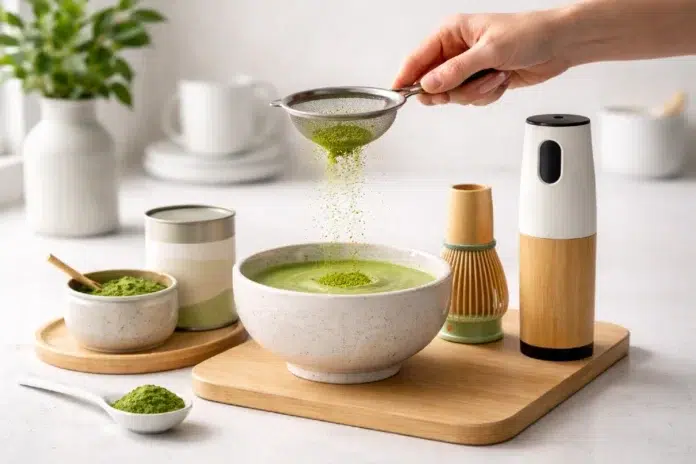
A Matcha Set feels like a small thing until it becomes part of your day. It sits on the counter, looks calm and intentional, and quietly changes how you make tea at home. What makes a Matcha Set so appealing in modern kitchens is not just the beauty of the bowl or the bamboo whisk. It is the way this simple tea ritual brings function, texture, and character into a space that often feels rushed.
For a lot of people, the appeal starts with looks. A well-made Matcha Set has the kind of presence that works with open shelving, stone counters, wood accents, and clean modern styling. But it also goes deeper than appearance. Matcha itself has strong cultural roots in Japan’s tea tradition, and the ritual around preparing it has long centered on attention, simplicity, and care. The Japanese tea ceremony is the ritualized preparation and serving of powdered green tea, and its deeper emphasis on focus and appreciation of everyday beauty still shapes how people think about matcha today.
That mix of heritage and practicality is exactly why it works so well in today’s homes. It is useful, aesthetic, and personal at the same time. In a kitchen full of appliances, cords, and fast solutions, it offers something slower without becoming impractical.
Why a Matcha Set fits the modern kitchen so well
Modern kitchens are no longer just cooking spaces. They are where people work, reset, host friends, and build daily routines. That shift has changed what people want on display. Instead of clutter, they want objects that are both beautiful and usable. A Matcha Set fits that need naturally.
Unlike decorative items that do nothing, it earns its spot. The bowl, whisk, scoop, and whisk holder all serve a purpose. Even when it is not in use, the set adds warmth and intention to the room. Ceramic bowls soften the look of hard kitchen surfaces. Bamboo tools bring an organic texture that feels balanced against glass, steel, and stone.
There is also a lifestyle reason behind the rise in interest. Global demand for matcha keeps growing, with Grand View Research estimating the matcha market at USD 5.07 billion in 2025 and projecting continued growth through 2033. That kind of expansion usually signals more than a passing trend. It suggests that matcha has moved into everyday consumer habits, including how people design their kitchens and daily beverage rituals.
A Matcha Set works especially well in kitchens that lean minimalist, Scandinavian, Japandi, or modern rustic. But it is not limited to those styles. Even a small apartment kitchen can feel more curated with one thoughtful tea station instead of scattered mugs, tea bags, and random accessories.
What a Matcha Set usually includes
If you are picturing a Matcha Set, the classic pieces are simple.
The centerpiece is the bowl, often called a chawan. It is wider than a regular mug, which gives you enough room to whisk properly and create a smooth, frothy surface. Then there is the bamboo whisk, or chasen, which is the tool that gives matcha its signature texture.
Most sets also include a bamboo scoop, known as a chashaku. That small detail matters because matcha is fine powder, and portioning it with the right tool feels cleaner and more consistent. Some sets add a whisk holder to help the whisk dry while keeping its shape. Others include a sifter or tea cloth, depending on how complete the set is.
Historically, tea tools in Japan were never just random objects. The tea tradition evolved around carefully chosen utensils, and even in simplified home use today, the bowl, scoop, and whisk still reflect that connection between craft and daily practice. Web Japan notes that the tea ceremony centers on measured preparation and appreciation of utensils, while the classic tools themselves became part of a broader philosophy of beauty in ordinary things.
That is one reason it does not feel like another kitchen gadget. It feels more deliberate.
The difference between buying a Matcha Set and building a tea ritual
A lot of kitchen purchases stay purchases. They solve a problem, then fade into the background. A Matcha Set often does the opposite. It changes behavior.
When someone starts using it, the process itself becomes part of the reward. You warm the bowl. You add the powder. You pour in water at the right temperature. You whisk until the surface turns soft and lively. None of it takes very long, but it feels different from tossing a pod into a machine.
That difference matters in modern life. People are increasingly drawn to routines that feel grounding but still fit into a busy schedule. A Matcha Set gives structure without becoming complicated. It offers a pause, not a project.
This is also where the set becomes more than decor. A kettle and mug make tea. it creates a ritual. That is why it appeals not only to tea fans, but also to people interested in mindful living, intentional design, and slower mornings.
Matcha Set style matters more than people think
A kitchen is visual long before it is practical. People notice color, shape, finish, and texture almost immediately. That is why choosing the right Matcha Set is partly about tea and partly about how you want the room to feel.
A matte ceramic bowl in earthy tones feels grounded and calm. A bright glazed bowl can add life to a neutral kitchen. A pale bamboo whisk can soften darker cabinetry. Even the way the tools sit together can change the mood of a counter.
This is one reason the Matcha Set trend has spread beyond tea specialists. It speaks to people who care about presentation. It gives kitchens a lived-in elegance without looking staged.
The best sets often avoid looking too polished. Slight irregularities in a handmade bowl can actually make the setup feel more authentic. In a modern kitchen, that contrast works beautifully. Clean lines and smooth finishes benefit from one object that feels crafted by hand.
How to choose a Matcha Set that looks good and works well
A Matcha Set should feel good to use, not just good to photograph. That is the first rule.
The bowl matters most. It should be wide enough for whisking and comfortable to hold. If the bowl is too narrow, making matcha becomes awkward. If it is too heavy, it may look beautiful but feel inconvenient for everyday use.
The whisk should have fine, even prongs and enough flexibility to create foam without feeling brittle. A whisk holder is worth having because it helps the whisk keep its shape and dry properly. The scoop should feel light but precise. Small details like these can make the difference between a set that becomes part of your routine and one that stays on a shelf.
Material matters too. Ceramic brings warmth and character. Porcelain feels cleaner and more refined. Bamboo tools are traditional, lightweight, and visually soft. A thoughtful Matcha Set usually balances durability with aesthetic appeal.
For modern kitchens, color coordination helps. If your space is bright and minimal, white, sand, sage, charcoal, or muted blue often works well. If your kitchen is warm and earthy, deeper greens, rust tones, cream, and textured stoneware can make the Matcha Set feel like a natural extension of the room.
Why people associate matcha with calm focus
Part of the attraction of a Matcha Set comes from what it prepares. Matcha is not only visually distinctive. It also carries a reputation for steady energy and a more balanced drinking experience than coffee.
Tea contains compounds such as polyphenols, caffeine, and amino acids, according to the National Center for Complementary and Integrative Health. Harvard Health notes that matcha typically contains more caffeine than regular green tea but less than coffee, with an 8 ounce serving often ranging from 38 to 89 milligrams, compared with roughly 100 to 120 milligrams for coffee.
That does not make it magical, and it should not be treated as one-size-fits-all. But it helps explain why many people build a morning ritual around this set instead of treating it as a weekend novelty. The drink feels intentional, and the preparation reinforces that feeling.
In design terms, this matters because objects that support real habits tend to stay relevant. A Matcha Set is not just for display when it becomes attached to a real part of the day.
The Matcha Set as a kitchen styling piece
There is a practical styling trick that interior-minded homeowners already understand. The best countertop items are the ones you actually use. That is where a Matcha Set has an advantage over purely decorative accessories.
You can place it on a small tray beside a kettle, a canister of matcha, and one linen towel. You can tuck it into a breakfast corner or open shelf. You can even style it next to cookbooks and still have it ready for everyday use. It looks intentional without feeling precious.
A Matcha Set also photographs well, which has helped it gain visibility on social media and in home content. But the reason it stays interesting is that it does not feel fake. It still works when the camera is gone.
For people who want their kitchen to feel warmer, more personal, and less machine-dominated, this kind of object makes a real difference.
A practical place for a Matcha Set in busy homes
Some kitchen rituals sound nice in theory and impossible in practice. It is not one of them.
You do not need a dedicated tea room, extra cabinets, or a full ceremonial setup. Even a compact kitchen can make room for one bowl, one whisk, one scoop, and a tin of matcha. That simplicity is part of the appeal.
Busy households also tend to value routines that are repeatable. It can be used in five minutes before work, during a slow afternoon, or when guests come over. It feels elevated without demanding a major time commitment.
This balance between beauty and usability is what makes the Matcha Set especially relevant now. People want homes that feel intentional, but they do not want to sacrifice convenience. A tea setup that looks elegant and still fits real life meets both needs.
Common mistakes people make when buying a Matcha Set
One common mistake is buying based only on aesthetics. A bowl that is too shallow or too narrow will make whisking frustrating. A cheap whisk may look fine at first but wear out quickly.
Another mistake is choosing a set that feels overly ornamental. If it is too delicate or too fussy, you may hesitate to use it daily. The best Matcha Set is one that invites regular use.
People also sometimes ignore maintenance. Bamboo whisks need proper rinsing and drying. Ceramic bowls should be cleaned gently, especially if they have textured or handmade finishes. A whisk holder is not just a display piece. It helps preserve the shape of the whisk over time.
The good news is that a well-chosen Matcha Set does not have to be expensive to feel special. It just needs the right balance of function, craftsmanship, and style.
Matcha Set ideas for different kitchen personalities
In a minimalist kitchen, a monochrome Matcha Set looks sharp and calming. White and charcoal pieces create quiet contrast without drawing too much attention.
In a warm family kitchen, a rustic Matcha Set with a handmade ceramic bowl feels more welcoming. It pairs naturally with wood boards, open shelves, and everyday tableware.
In a modern luxury kitchen, a Matcha Set with refined glazing, subtle texture, and a neat tea tray can create a boutique feel. It adds softness to a space that might otherwise feel sleek but slightly cold.
In a small apartment, a compact Matcha Set can create a defined ritual zone without taking over the room. That is often more effective than trying to build a full coffee-bar look in limited space.
FAQs people often have about a Matcha Set
Is a Matcha Set only for traditional tea drinkers?
Not at all. A Matcha Set works for beginners, design lovers, and anyone who wants a better home tea experience. You do not need to practice a formal tea ceremony to appreciate the ritual.
Does a Matcha Set make a real difference in taste?
Yes, mostly because the tools help with texture and preparation. A proper bowl and whisk make it easier to blend the powder evenly and create a smoother drink.
Can a Matcha Set work in a modern American kitchen?
Absolutely. In fact, that is where a Matcha Set often shines. It brings contrast, warmth, and ritual into a space built around speed and convenience.
Is a Matcha Set worth displaying on the counter?
If you actually use it, yes. A Matcha Set adds visual interest while still serving a practical role, which makes it a smart styling choice.
Final thoughts on bringing a Matcha Set into everyday life
A Matcha Set works because it bridges two things people care about right now. It respects tradition, and it still makes sense in a modern kitchen. That is a rare combination.
It gives your countertop something useful and beautiful. It turns tea into a more deliberate part of the day. It also connects a very current home aesthetic with a longer story rooted in Japanese tea culture, craft, and attention to detail. If you want a kitchen that feels more personal, more grounded, and more thoughtfully lived in, a Matcha Set is an easy place to start.
In the end, the appeal is not just the drink or the decor. It is the feeling. A Matcha Set brings a little rhythm into the room, and that may be exactly why it fits modern kitchens so naturally. In many ways, its lasting charm comes from the quiet values associated with the Japanese tea ceremony: simplicity, care, and presence.

