


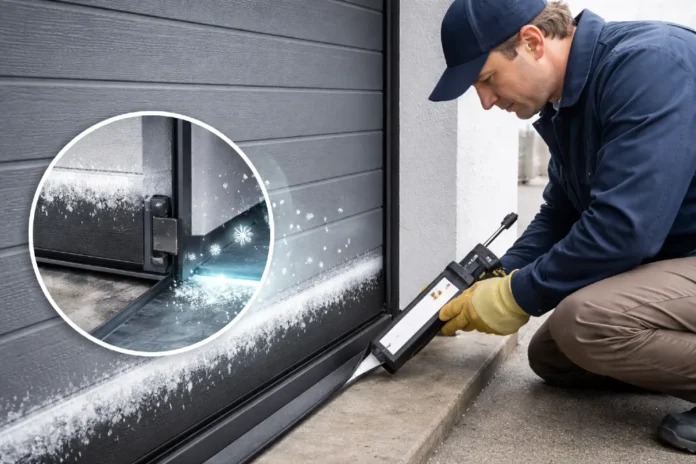
If your garage, workshop, or storage space never seems to stay comfortable, the problem may not be the door itself. More often, it is the small gaps around the edges, the bottom seal that no longer sits flat, or worn side strips that let outdoor air push its way inside. That is exactly why Sealing Roller Doors matters so much. Done properly, it helps reduce drafts, improves insulation, keeps out rain and dust, and makes the whole space feel cleaner, drier, and easier to use throughout the year.
A lot of people assume a roller door is either open or closed, secure or not secure. In reality, there is a middle ground where a closed door still leaks air, moisture, dirt, and noise. Sealing Roller Doors closes that gap, literally and practically. It can make a garage more usable in winter and summer, protect stored items from weather exposure, and even help reduce the pressure on nearby heating or cooling systems.
For homes with attached garages, better air sealing is even more important. The U.S. Department of Energy notes that air sealing is one of the most cost effective ways to cut heating and cooling costs and improve comfort, and it specifically recommends weatherstripping as a simple, effective technique with quick returns on investment. The same source also points out that visible daylight around a door is a clear sign of leakage and should be sealed with weatherstripping or caulk where appropriate. The Department of Energy also warns that when there is living space above an unconditioned garage, sealing air leakage helps reduce the movement of contaminants from the garage into conditioned space.
That makes Sealing Roller Doors more than a maintenance job. It is part of protecting comfort, energy performance, and indoor air quality.
Why Sealing Roller Doors Makes a Bigger Difference Than Most People Expect
A roller door has more potential leakage points than many homeowners realize. There is the bottom edge where the door meets the floor, the side channels, the top edge, and sometimes joints or slats depending on the design. Even a small unevenness in the concrete floor can create a long, narrow gap that lets in a surprising amount of outside air.
Once that happens, several problems start at the same time. You may notice a colder garage in winter, more heat buildup in summer, puddles during wind driven rain, or a layer of dust settling on everything inside. In some properties, insects and small pests also find their way through those same openings.
This is why Sealing Roller Doors often gives quick, visible results. A properly sealed door can help with:
- Better insulation and more stable indoor temperatures
- Less wind, dust, and moisture entering the space
- Improved protection for tools, boxes, appliances, and vehicles
- Reduced outside noise
- Fewer entry points for insects and debris
- Better comfort in garages used as gyms, laundry areas, hobby rooms, or workshops
The Environmental Protection Agency also stresses that moisture control is central to mold prevention. EPA guidance recommends keeping indoor humidity below 60 percent, ideally between 30 and 50 percent, and acting quickly when condensation or moisture appears. When roller doors leak water or allow humid air to flow in unchecked, that moisture can build up around walls, flooring, and stored contents. EPA resources on mold and moisture control are especially useful here. In other words, Sealing Roller Doors is not just about stopping a draft. It also helps reduce the conditions that allow dampness and mold to become an ongoing issue.
The Main Areas That Need Attention When Sealing Roller Doors
When people talk about Sealing Roller Doors, they often focus only on the bottom edge. That is important, but it is only one part of the job.
Bottom seal
The bottom seal is usually the first place to fail. Over time, rubber or vinyl compresses, cracks, hardens, or pulls loose. If your floor is slightly uneven, the bottom edge may no longer make full contact across the width of the opening.
Side seals
Side seals help close the gaps where the door meets the frame or guides. When they are flattened, split, or misaligned, wind and dust can move through easily.
Top seal
The top edge often gets ignored because it is less visible. But if there is a gap there, warm air can escape in winter and hot air can enter in summer. In windy conditions, this area can also let in fine dust or moisture.
Slat and curtain condition
On some roller door systems, the curtain itself may have wear, dents, or poor alignment. Sealing Roller Doors works best when the door is tracking properly and closing evenly. If the curtain is twisted or damaged, replacing seals alone may not solve the problem.
Frame and surrounding structure
Sometimes the issue is not the door but the opening. Cracks in masonry, gaps between trim and wall, or old caulk around the frame can all contribute to leakage. Effective Sealing Roller Doors should include the full perimeter, not just the moving parts.
Signs Your Roller Door Is Not Properly Sealed
Many property owners live with leakage for months or years because the signs are subtle at first. Once you know what to look for, though, the problem becomes obvious.
Here are some common signs that Sealing Roller Doors should move up your maintenance list:
| Sign | What it usually means |
|---|---|
| Daylight visible at the bottom or sides | Seal failure or floor unevenness |
| Drafts near the door | Gaps in bottom, side, or top seals |
| Water marks or damp patches after rain | Poor bottom contact or side leakage |
| Dust buildup inside the garage | Air infiltration through multiple edges |
| Insects or leaves near the threshold | Bottom or corner gaps |
| Garage feels much hotter or colder than usual | Weak overall sealing and insulation |
| Rattling or movement in windy weather | Loose seals or alignment issues |
The Department of Energy specifically notes that visible daylight around doors is a sign of leakage. That simple check alone can tell you whether Sealing Roller Doors is overdue.
Best Materials Used in Sealing Roller Doors
Not all seal materials perform the same way, and the best choice depends on the door type, climate, exposure level, and how often the door is used.
Rubber bottom seals
Rubber seals are flexible and durable, making them a strong option where weather exposure is heavy. They usually perform well on uneven floors because they compress more effectively than harder materials.
Vinyl or PVC seals
These are common and budget friendly. They can work well in mild conditions, but lower quality vinyl may become brittle over time in extreme temperatures or harsh sun exposure.
Brush seals
Brush seals are especially useful on side or top edges, and in some commercial or industrial settings. They are good for blocking dust, drafts, and insects, though they are generally less effective than compressive rubber for water resistance.
Foam tape and compressible strips
These can help in light duty situations, but they are usually better for smaller gaps and secondary sealing tasks rather than primary weather protection. For high use roller doors, they tend to wear out faster.
Seal retainers and tracks
Sometimes the seal itself is not enough. A good retainer system keeps the material aligned and helps it maintain even contact. In many cases, Sealing Roller Doors lasts longer when both the seal and its mounting hardware are in good condition.
Sealing Roller Doors for Better Insulation
Insulation and sealing are related, but they are not the same thing. An insulated roller door can still perform poorly if air moves freely around its edges. On the other hand, a non insulated door can still feel noticeably better once leakage is controlled.
That is why Sealing Roller Doors often delivers such a practical improvement. It reduces uncontrolled air movement, which is one of the biggest reasons spaces feel uncomfortable. If your garage shares walls with the house, or if there is a room above it, this becomes even more valuable. DOE guidance says that insulating floors above unconditioned garages should be paired with sealing air leakage to reduce the risk of contaminants and air movement into living space.
In real homes, this can mean fewer cold floors above the garage, a more usable workspace downstairs, and less strain on heating and cooling systems nearby. Sealing Roller Doors is often one of the simplest upgrades that supports those results.
Sealing Roller Doors for Rain, Moisture, and Weather Protection
Weather protection is where many people first notice the value of Sealing Roller Doors. A garage may stay mostly dry in calm weather, then suddenly allow water in when rain comes sideways with strong wind. That usually points to weak side seals, poor bottom compression, or both.
The goal is not just to stop obvious flooding. It is also to prevent repeated dampness that affects cardboard boxes, tools, wood shelving, paint, and anything else stored near the door. Over time, even light water intrusion can lead to corrosion, odors, staining, and mold risk.
EPA guidance is very clear that moisture control is the key to mold control, and condensation or wet surfaces should be addressed quickly. That is why Sealing Roller Doors is part of broader building maintenance, not a cosmetic fix. If you stop the water at the opening, you reduce the chance of bigger moisture problems later.
For the best weather performance, pay attention to all of the following:
- A bottom seal that fully contacts the floor
- Side seals that remain flexible and aligned
- A top seal that closes the upper gap
- Good drainage outside the opening
- No cracks or failing sealant around the frame
- A clean threshold free of debris that prevents proper closure
A Practical Step by Step Approach to Sealing Roller Doors
The most effective approach to Sealing Roller Doors is systematic. Instead of replacing one strip and hoping for the best, inspect the whole assembly.
1. Start with a visual gap check
Stand inside during daylight and look for visible light around the perimeter. Then close the door and check the floor line closely.
2. Inspect existing seals
Look for brittleness, flattening, tears, missing sections, or loose fasteners. If the material has lost flexibility, replacement is usually better than patching.
3. Check floor contact
A seal is only as good as its contact with the floor. If the slab is uneven, you may need a larger profile bottom seal or threshold solution.
4. Clean before installing
Dirt, oil, and old adhesive reduce performance. Good Sealing Roller Doors starts with clean surfaces and properly aligned hardware.
5. Replace in full sections where possible
Mixing old and new pieces often creates weak points. For long lasting results, replace the full damaged run instead of only patching the worst spot.
6. Test in real conditions
After installation, test for light, drafts, and water entry. On windy days or during rain, recheck the edges to make sure the door is sealing evenly.
When DIY Works and When a Professional Is the Better Call
Some Sealing Roller Doors jobs are straightforward. Replacing a worn bottom seal or simple side strip on a standard residential door is often manageable for a careful homeowner.
Still, there are situations where professional help makes more sense. If the door is not tracking properly, the curtain is distorted, the guides are misaligned, or the opening itself is out of square, new seals alone may not solve the issue. A specialist can identify whether the real problem is hardware, alignment, structural movement, or seal selection.
This matters because Sealing Roller Doors is only effective when the door closes consistently. If one corner lands first or the curtain pulls unevenly, leakage will return no matter how good the seal material is.
Common Mistakes That Reduce Results
A lot of disappointing results come from a few avoidable mistakes. People often assume the seal failed again when the real issue was poor installation or incomplete coverage.
The most common problems include:
- Choosing the wrong seal profile for the gap size
- Ignoring the top and side edges
- Installing over dirt or damaged surfaces
- Using cheap materials in harsh weather conditions
- Failing to correct door alignment issues
- Leaving frame cracks or perimeter gaps untreated
Good Sealing Roller Doors is about fit, contact, and durability. If one of those is missing, performance drops quickly.
FAQs About Sealing Roller Doors
Does sealing a roller door really help with insulation?
Yes. Even if the door itself is not heavily insulated, Sealing Roller Doors reduces uncontrolled air leakage, which improves comfort and helps maintain a more stable temperature inside.
Can sealing roller doors stop water getting in?
In many cases, yes. If water entry is caused by edge gaps, replacing worn seals and improving floor contact can make a major difference. If water is coming from poor drainage outside, that issue also needs to be corrected.
Is sealing roller doors worth it for detached garages?
Absolutely. Detached garages still benefit from less dust, better weather protection, and improved comfort, especially if the space is used for storage, hobbies, or work.
How often should seals be replaced?
It depends on climate, sun exposure, door use, and material quality. In high use or harsh weather conditions, inspect annually. Sealing Roller Doors works best when small wear issues are caught early.
Final Thoughts
At first glance, Sealing Roller Doors can seem like a small maintenance task. In practice, it has a direct effect on comfort, energy performance, cleanliness, and weather resistance. It can help a garage feel less exposed, protect what you store inside, and make the entire space more useful year round.
For attached garages, the value is even greater because better air sealing supports both comfort and indoor air quality. For workshops and storage areas, Sealing Roller Doors helps create a drier, cleaner, more dependable environment. It is one of those upgrades that is easy to overlook until you notice how much better the space feels once the leaks are gone.
When done properly, Sealing Roller Doors is not just about blocking a draft. It is about improving the overall performance of the space and making a basic part of the building envelope work the way it should. Whether you call it a roller door, shutter system, or garage opening, the principle stays the same. Seal the gaps well, and the whole space works better.

