


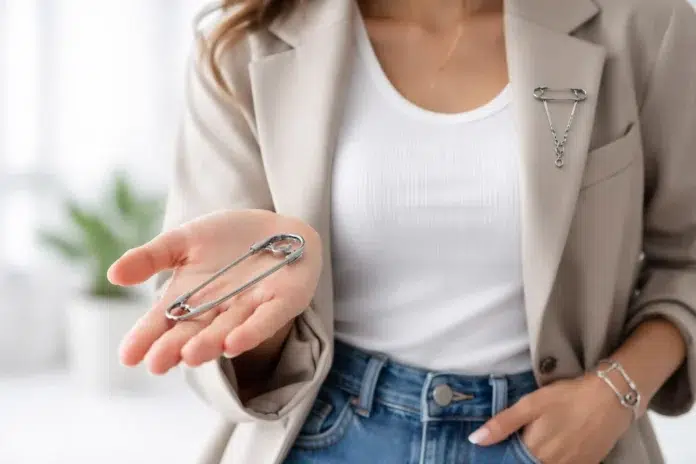
A Safety Pin Pin may sound tiny, but it has a surprisingly big role in modern style. What started as a practical fastener became a recognizable fashion detail over time, moving from utility into jewelry, punk culture, designer fashion, and everyday outfit styling. The modern appeal is simple: it feels edgy without being too loud, useful without looking plain, and creative without demanding a full wardrobe change. The best part is that almost anyone can wear it.
That mix of function and fashion is not new. The modern safety pin is widely credited to inventor Walter Hunt, who patented his improved design in 1849, adding the covered clasp and spring mechanism that made it safer and more reliable to use. Over time, pin-like fasteners also gained decorative value, and museums and fashion historians have linked safety pin imagery to both historic brooch traditions and later punk-era fashion symbolism.
Today, fashion works best when it balances personality with practicality, and that is exactly why this accessory still fits. Even in a massive global accessories market, consumers continue to respond to small items that help personalize an outfit. Industry research shows the fashion accessories market remains enormous and is expected to keep growing, while jewelry continues to account for a major share of personal accessories sales globally.
Why the Safety Pin Pin Still Works in Everyday Style
The reason this accessory keeps coming back is that it does more than decorate. It adds texture, contrast, and attitude to clothes that might otherwise feel too basic. A white tee, denim jacket, plain blazer, knit sweater, tote bag, or even a scarf can look more intentional with one thoughtfully placed pin.
It also fits several aesthetics at once. In one look, it can feel punk-inspired. In another, it reads as minimalist hardware. In a dressier outfit, it can act like a small metallic accent, almost like a modern brooch. That range matters because people want versatile accessories, not pieces they can wear only once.
Fashion history helps explain that flexibility. The safety pin pin became especially associated with punk in the 1970s, and major institutions such as The Metropolitan Museum of Art have highlighted safety pins as part of punk’s influence on couture and mainstream fashion. At the same time, older fashion history connects brooch-like fasteners to ancient clasp traditions, showing that functional pins have long crossed into ornament.
Safety Pin Pin Outfit Ideas for Real Life
Most people make the mistake of thinking a pin has to be dramatic. In real wardrobes, it works better when it feels deliberate and subtle. Here are some of the easiest ways to wear it.
On a Denim Jacket
A denim jacket is probably the most natural home for this accessory. The texture of denim handles metal well, and the pin gives the jacket an instant custom feel. You can place one near the collar, on the chest pocket, or on the sleeve for a simple update.
This styling works especially well with neutral basics underneath, like a white tank, black tee, or gray knit top. The goal is not to overcrowd the jacket. One or two well-placed pieces usually look stronger than a random cluster.
On a Blazer Lapel
If you want a polished version of the trend, use the piece the way you might use a brooch. A single metallic pin on the lapel of a structured blazer creates a sharp fashion detail without looking costume-like. This works beautifully with black, navy, camel, cream, and charcoal tailoring.
The contrast is what makes it effective. A formal blazer paired with an accessory rooted in utility creates visual tension, and that tension is exactly what makes an outfit memorable.
On a White Shirt
A crisp white shirt can sometimes look too safe. A safety-pin-inspired accessory changes that in seconds. Try pinning it near the top button area, at the cuff, or near the pocket line if the shirt has one.
This idea is especially useful for people who like clean outfits but still want a signature detail. It feels modern, slightly artistic, and easy to wear in casual offices, lunches, and low-key events.
With Knitwear
Sweaters and cardigans can benefit from a metallic edge. On chunky knits, the pin creates contrast against soft texture. On a fitted cardigan, it can act like a closure detail or a decorative focal point.
The key here is proportion. Larger knits can carry a slightly larger pin. Fine knits usually look better with slim, understated designs.
On Bags and Accessories
Not every styling choice has to happen on clothing. Totes, mini bags, hats, and even fabric belts can carry the detail well. This is a smart option for anyone who likes the trend but does not want to attach hardware directly to delicate garments.
Bags are especially good because they are already used to holding charms, tags, and personal add-ons. A pin detail feels like part of that same styling language.
How to Match the Pin to Your Personal Style
A common reason trends fail in real life is that people copy the item but ignore the context. This accessory looks best when it matches the rest of your style language.
Here is a simple breakdown:
| Style type | Best way to wear it |
|---|---|
| Minimalist | One slim silver or gold pin on a blazer, coat, or bag |
| Streetwear | Pair with oversized denim, cargo pieces, graphic tees, or layered chains |
| Feminine chic | Use it like a brooch on a cardigan, dress strap, or soft blouse |
| Punk-inspired | Combine with distressed denim, leather, boots, and darker layers |
| Smart casual | Add one to a structured jacket or crisp shirt for a subtle edge |
This is where styling becomes personal. The same item can look rebellious, elegant, or quietly cool depending on fabric, color palette, and placement.
What Makes a Safety Pin Pin Look Stylish Instead of Random
The difference usually comes down to restraint and placement. Good styling looks intentional. Weak styling looks accidental.
A few principles help:
- Keep the rest of the outfit clean if the pin is your focal point.
- Match metal tones when possible with earrings, belt hardware, or handbag details.
- Use placement with purpose, such as a lapel, collar, pocket, cuff, or strap.
- Avoid piling on too many unrelated statement elements at once.
- Choose a size that suits the garment rather than overpowering it.
That last point matters more than most people think. A very large pin on a lightweight blouse can feel awkward. A tiny pin on a heavy coat may disappear. Balance is what creates style.
Safety Pin Pin Styling by Season
One reason this accessory stays relevant is that it adapts across the year.
In spring, it works nicely on light jackets, cotton shirts, and cardigans. A bright tote or soft trench coat can handle a small metallic accent without looking heavy.
In summer, styling should stay lighter. Think linen shirts, sleeveless tops, canvas bags, and denim vests. This is also the easiest season to use the accessory on a bag instead of clothing if you want a less committed look.
In fall, the accessory really shines. Structured layers, blazers, trench coats, and denim all give it room to stand out. Autumn textures such as wool, corduroy, and dark-wash denim create strong contrast with metal finishes.
In winter, outerwear becomes the main stage. Coats, scarves, berets, and knitwear give this detail a practical and decorative role. It feels especially strong on monochrome winter outfits that need a little dimension.
The Influence of Punk, Couture, and Pop Culture
No conversation about this accessory is complete without the punk connection. Safety pins became one of the visual markers of punk style in the 1970s, where ripped clothing, DIY fixes, and anti-establishment dressing turned ordinary objects into symbols. Museums and fashion commentators continue to reference safety pins as part of punk’s impact on contemporary design and couture.
That influence later moved into high fashion. One of the most famous examples is the black Versace dress worn by Elizabeth Hurley in 1994, remembered for its bold use of oversized gold safety pins. More recently, fashion coverage has continued tracing the long history of safety-pin dresses and embellished designs across brands such as Versace and Margiela.
This matters for everyday styling because it gives the accessory credibility. It is not just a random object repurposed for trend culture. It already has a rich history across design, rebellion, glamour, and personal expression.
Common Mistakes to Avoid
A trend can look expensive or messy depending on execution. These are the mistakes that usually make the look fail.
First, using too many pins at once can make an outfit feel overloaded. Unless you are deliberately building a punk or DIY aesthetic, less usually looks better.
Second, placing the accessory on fragile fabric without thinking about weight or movement can damage the garment. Delicate silk, thin satin, and very loose weaves need extra care.
Third, mixing too many strong statements can dilute the effect. If your shoes are metallic, your bag is covered in hardware, and your jewelry is oversized, adding another aggressive detail may feel chaotic.
Fourth, wearing it with no visual relationship to the rest of the outfit can make it seem random. A pin tends to work best when some other element echoes it, such as a zipper, chain, buckle, hoop earring, or metal strap detail.
Can You Wear It Beyond Fashion Trends?
Absolutely. The strongest everyday outfits are not trend-chasing outfits. They are outfits with a point of view. This accessory works because it can become part of your personal styling signature rather than a short-lived trend piece.
For some people, it reads as creative and artsy. For others, it feels confident and slightly rebellious. For someone with a more classic wardrobe, it becomes a modern twist on the brooch. That versatility gives it longevity.
Fashion also keeps moving toward personalization. Consumers increasingly want accessories that feel expressive and adaptable, and that broader shift helps explain why small statement items continue to matter in the market. Industry researchers point to ongoing growth in fashion accessories and strong consumer interest in categories like jewelry, where expressive details carry real value.
How to Build an Outfit Around One Small Statement Piece
A simple formula works best.
Start with a base outfit that already feels good on your body. That could be jeans and a tee, trousers and a shirt, a slip dress and cardigan, or a blazer with a tank top. Then ask one question: where does the eye need to land?
If the answer is your face, place the pin higher, such as on a collar, lapel, or upper chest. If the answer is the silhouette, place it at the waist, on a belt, or on a bag that sits close to the body. If the answer is overall texture, let it sit on outerwear or denim.
This is what separates accessory styling from random decoration. You are guiding the eye, not just adding hardware.
Frequently Asked Questions
Is a safety pin inspired accessory only for edgy outfits?
No. It can look edgy, but it can also look refined, minimalist, or even elegant depending on the design and placement. A slim polished version on a blazer can feel far more classic than rebellious.
Can you wear one at work?
Yes, in many workplaces. A subtle design on a blazer, coat, knit top, or structured bag can look tasteful and professional. It works best in clean, understated outfits rather than highly distressed or overly dramatic looks.
Does it work with dresses?
Yes. It can be used near a strap, neckline, waist detail, or cardigan layered over a dress. Just be careful with delicate fabrics and heavy pin sizes.
Which metal tone is best?
Silver is usually the easiest because it feels modern and slightly industrial. Gold can look more fashion-forward and polished, especially when paired with warm neutrals or classic tailoring.
Conclusion
The Safety Pin Pin trend lasts because it does something smart: it turns a humble object into a styling tool with character. It can sharpen a simple outfit, add interest to classic pieces, and give everyday clothes a more personal finish. Whether you lean minimalist, polished, street-inspired, or slightly punk, this accessory can adapt without losing its identity.
That balance of function, fashion history, and individuality is what keeps it relevant. From its patented 1849 design to its punk-era symbolism and continued presence in modern fashion conversations, the safety pin remains more than a practical object. It is a reminder that great style often comes from the smallest details.
In that sense, the piece belongs to a longer story of wearable fasteners and decorative pins in dress history, which you can trace through the evolution of fashion accessories. For modern wardrobes, that history simply translates into a useful idea: one small accent can change the whole outfit.

