


Key Takeaways:
- Modern water heaters are more energy-efficient and technologically advanced than ever before.
- Understanding the latest innovations can help you choose the best system for your home’s needs.
Modern water heaters are revolutionizing how households manage their hot water needs. In addition to delivering greater comfort, these innovations are engineered to reduce utility bills and environmental impact.
Understanding the recent changes and advancements in water heater technology can help you make smart choices for your home’s comfort and efficiency. If you’re searching for same day water heater repair in Ogden Utah, it is important to get a knowledgeable technician familiar with the latest models and features.
In the past, water heaters consumed more energy and required frequent maintenance. Today’s units, however, make it easier for homeowners to keep costs down and ensure reliable hot water throughout the year. Whether you are exploring options for a new installation or seeking to upgrade your existing system, learning about these innovations can save you time and money.
The following sections break down the most important advancements in modern water heaters, from smart controls to new, environmentally friendly options, as well as practical tips you can use when evaluating systems for your living space.
Enhanced Energy Efficiency
Modern water heaters prioritize energy savings. Newer models, such as heat pump water heaters, use up to 75% less energy than traditional electric or gas storage tanks. These advances have a direct impact on utility bills, helping families spend less while conserving valuable resources. Even traditional tank-style heaters now feature high-efficiency insulation and improved burner technologies.
Integration of Smart Technology
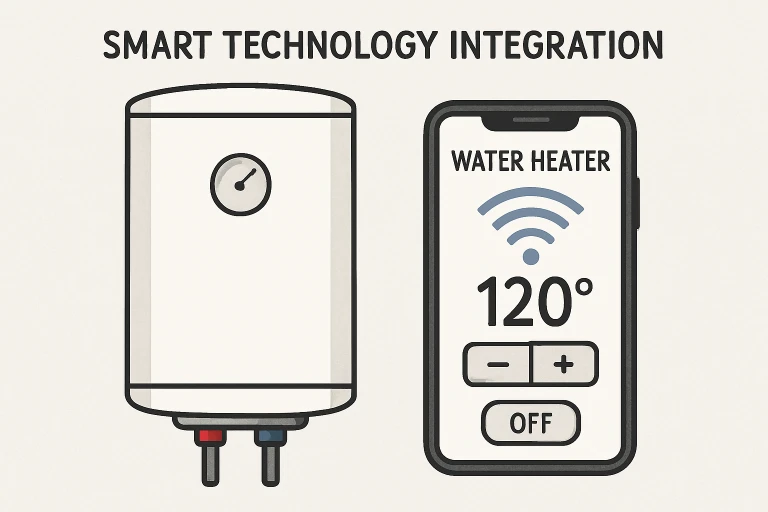
Smart water heaters are increasingly common, allowing homeowners to adjust temperatures, set schedules, and monitor usage patterns via smartphone apps. Some systems even offer predictive maintenance alerts and automatic shut-off capabilities in case of unusual water flow or leaks.
The Rise of Tankless Systems
Tankless or on-demand water heaters deliver hot water only when you need it. This approach eliminates standby heat loss associated with storage tanks, creating a more efficient and space-saving solution for many households. These units can be wall-mounted in tight spaces and deliver a virtually endless supply of hot water, making them particularly popular in smaller homes and apartments.
Improved Safety Features
Today’s water heaters include safety enhancements such as temperature controls, flame arrestor plates, and sealed combustion chambers, greatly minimizing the risk of accidents. Additionally, many smart water heaters can detect leaks or overheating and shut down automatically to prevent property damage and ensure homeowner safety.
Simplified Maintenance
Routine upkeep for modern water heaters is more straightforward. Many models come equipped with self-cleaning functions that reduce sediment buildup, and modular designs make it easier to replace heating elements or anode rods. Clear maintenance alerts delivered via smart controls can help extend the life of the system with timely reminders.
Extended Lifespan
Technological improvements and better construction materials have significantly extended the lifespan of water heaters. Traditional tank models now last between 9 and 12 years, while tankless designs can exceed 20 years with proper maintenance. This longevity reduces waste and replacement costs over time.
Reduced Environmental Impact
Advancements in water heating appliances have a noticeable positive impact on the planet. Newer heaters are designed to operate with lower greenhouse gas emissions. For example, many heat pump water heaters now use ultra-low global warming potential refrigerants. The integration of solar and hybrid technology further reduces carbon footprints, supporting the global push toward sustainability.
Flexible Installation Options
Homeowners now enjoy a wider range of installation choices. Compact and wall-mounted designs make it possible to fit a modern water heater even in small mechanical rooms or under counters. Flexible venting options and direct-vent models also allow for easier placement throughout a home, so you are not limited by traditional layouts.
Potential Cost Savings
While the upfront expenses of a modern water heater may be higher, the savings realized through lower energy consumption quickly add up. Solar water heaters, for example, can reduce annual energy bills by 50% or more in sunny regions. Even high-efficiency traditional models can pay for themselves over their lifespan, making them a smart investment for most homeowners.
Future Trends in Water Heating
The adoption of renewable energy sources, such as solar and geothermal, is shaping the future of water heating. Expect to see increased integration of water heaters with whole-home energy management systems, greater automation, and an emphasis on sustainability. Homeowners seeking to future-proof their investments should keep a close eye on evolving technologies and incentives for upgrading older systems.
Educating yourself on these innovations enables you to select the most appropriate and efficient water heating solution for your lifestyle. With these technological advancements, enjoying consistent, reliable, and sustainable hot water has never been easier.

